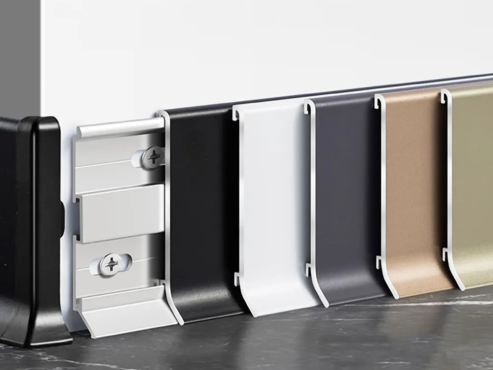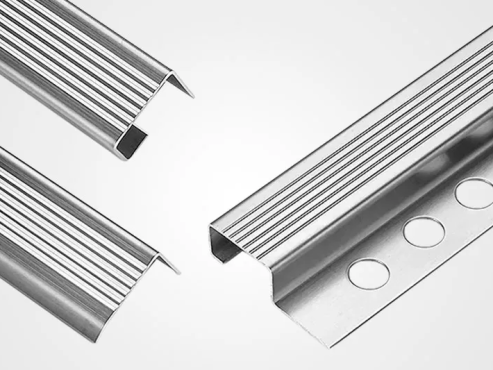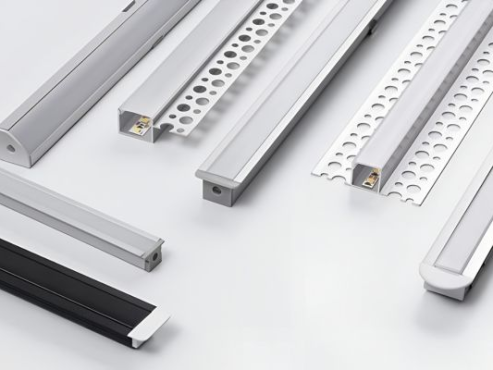
Choosing between recessed, surface, and corner Aluminum LED Channels is not only a design decision. The channel type affects how the LED strip is installed, how visible the profile looks, how the light is directed, and how easy the system is to maintain later. This guide compares the three common options so designers, contractors, and buyers can select the right aluminum channel LED profile for cabinets, ceilings, wall lines, shelves, and display lighting.
Use recessed Aluminum LED Channels when you want a built-in architectural light line. Choose surface-mounted channels when the installation needs to be simple, flexible, or suitable for retrofit work. Use corner LED channels when the light needs to shine at an angle, such as under cabinets, inside wardrobes, or along display shelves.
What Are Aluminum LED Channels?
Aluminum LED Channels are metal profiles designed to hold LED strip lights. A typical system includes an aluminum body, a diffuser cover, end caps, mounting clips, and sometimes screws or other accessories. The profile gives the LED strip a cleaner housing than exposed tape lighting and helps create a straighter, more professional light line.
The aluminum body also protects the strip from dust, touch, and minor impact. In many indoor applications, it can support better heat management than attaching LED strip directly to wood, plastic, or painted surfaces. The diffuser cover is equally important because it softens the light and helps reduce visible LED dots.
Recessed LED Channels: Best for a Built-In Look
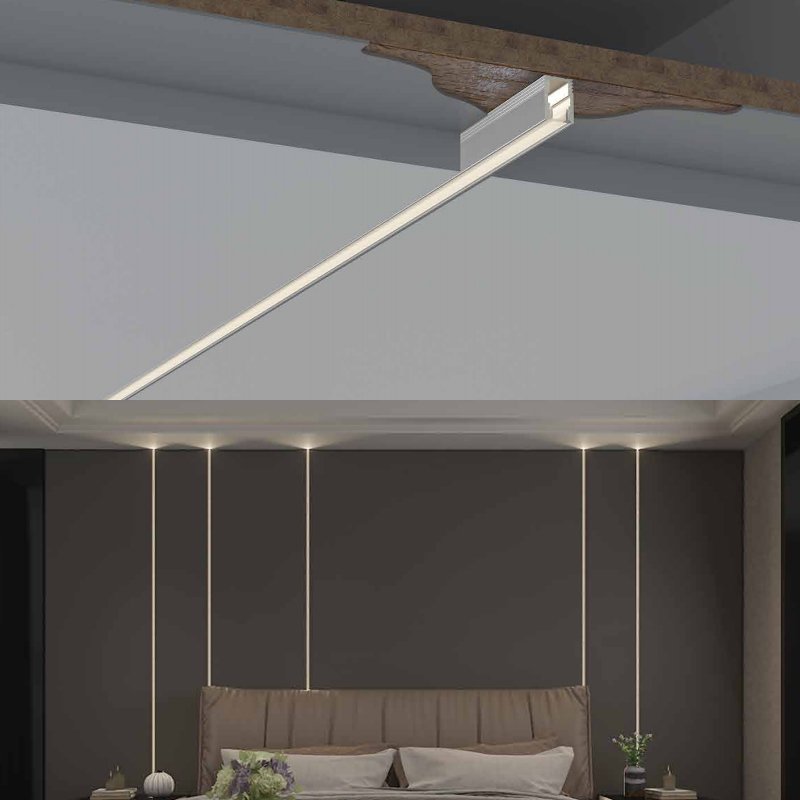
Recessed LED channels are installed into a groove or slot so the visible surface sits flush with the surrounding material. This creates the most integrated appearance, especially in modern interiors where the light should feel like part of the architecture rather than an added fixture.
They are commonly used in ceilings, wall panels, custom cabinetry, shelves, wardrobes, and decorative linear lighting details. Recessed Aluminum LED Channels work best when the project is still being built or when the installer can accurately cut the required groove.
The main benefit is visual cleanliness. The main limitation is preparation. The channel size, groove depth, diffuser position, and LED strip width must be planned before installation begins.
Surface-Mounted LED Channels: Best for Simple Installation
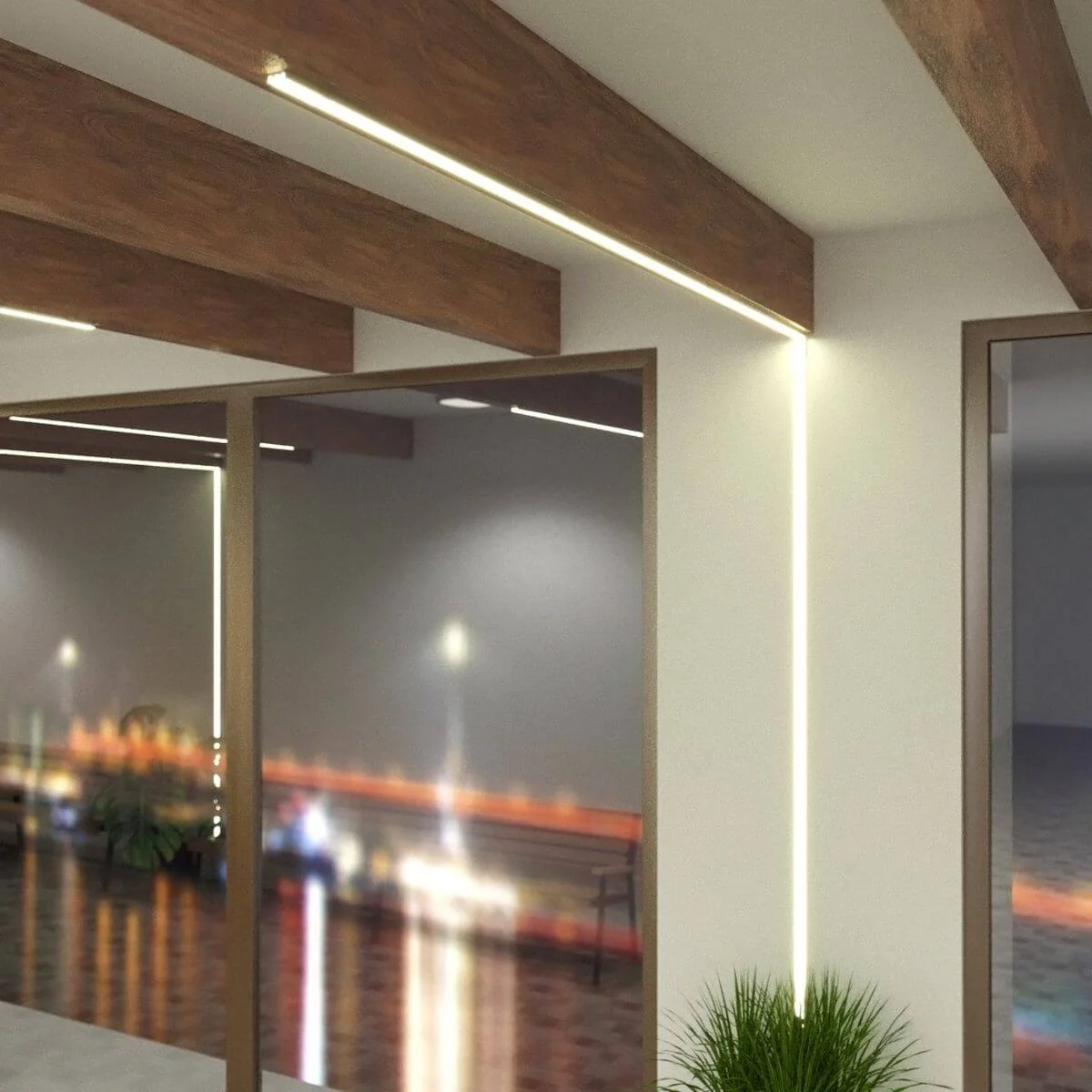
Surface-mounted LED channels are fixed directly onto a surface with clips, screws, adhesive, or another suitable fixing method. They do not require a recessed groove, which makes them easier to install on finished walls, cabinets, shelves, and ceilings.
This type is especially useful for renovation projects and retrofit lighting. If a surface is already complete, a surface-mounted aluminum channel LED profile can add a clean light line without cutting into the substrate.
Surface-mounted channels are more visible than recessed profiles, but that does not mean they look unfinished. With the right finish color, diffuser, and placement, the profile can look intentional and coordinated with nearby metal details.
Corner LED Channels: Best for Angled Light
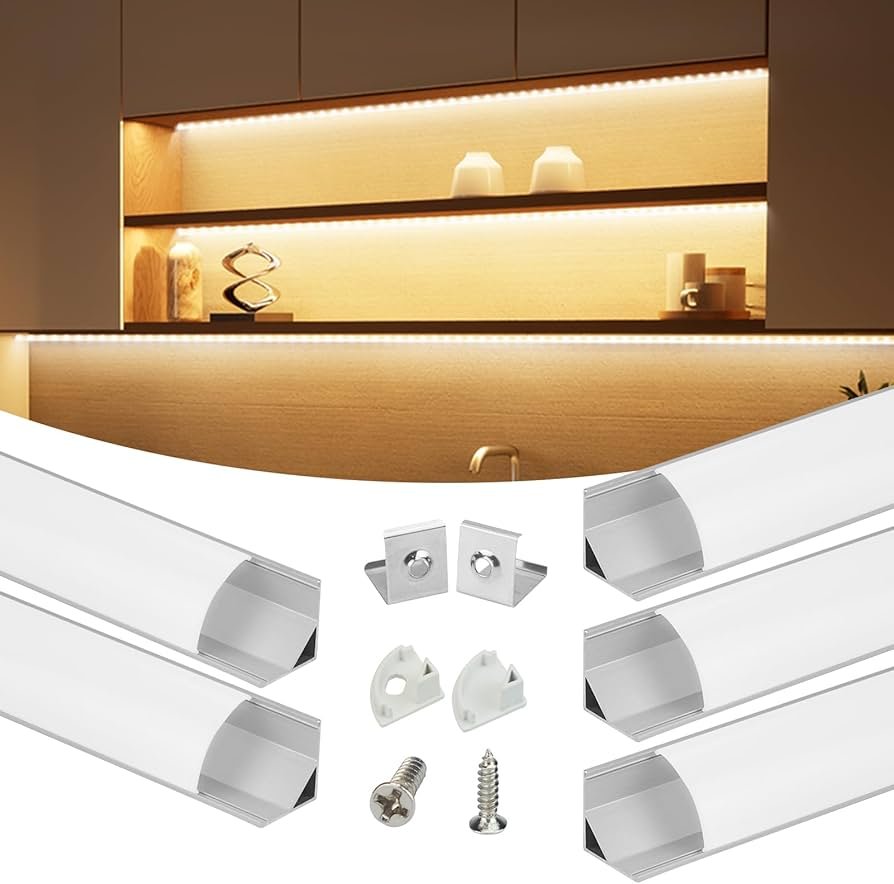
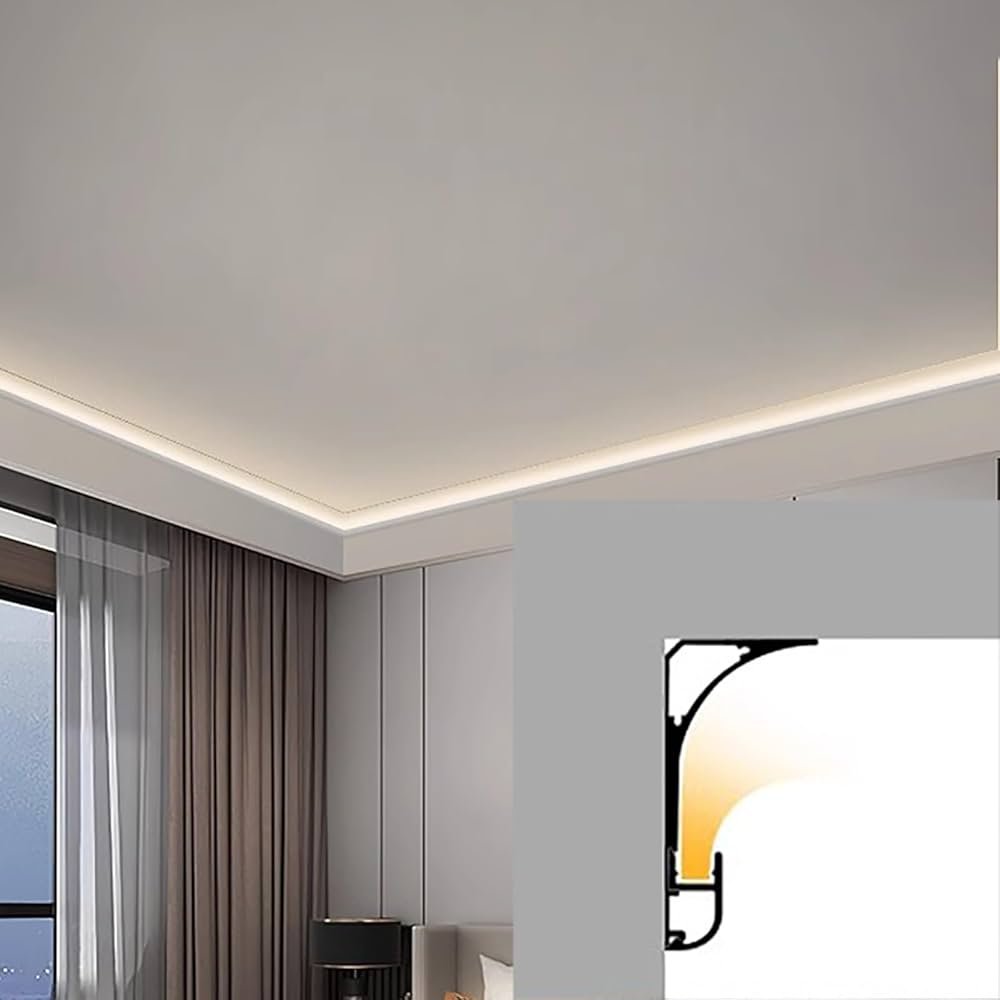
Corner LED channels are designed to direct light at an angle, often around 45 degrees. Instead of sending light straight down or straight outward, the profile points the light toward a work surface, cabinet interior, shelf, or architectural edge.
They are often used for under-cabinet lighting, wardrobe lighting, display shelves, retail fixtures, and ceiling corners. Corner Aluminum LED Channels can be especially useful when the goal is soft indirect lighting or task lighting without placing the strip in direct view.
The most important detail is direction. Before choosing a corner profile, check where the light should land and whether the diffuser angle supports that result.
Recessed vs Surface vs Corner LED Channels
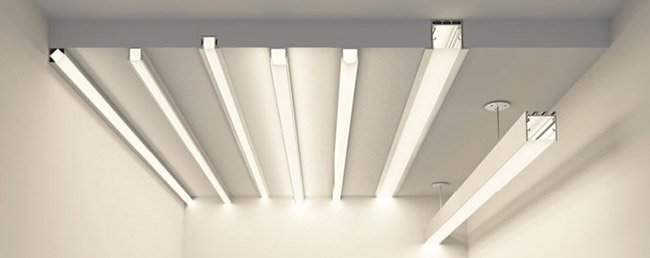
| Channel Type | Best Use | Main Advantage | Installation Difficulty |
|---|---|---|---|
| Recessed LED Channels | Built-in ceilings, wall panels, custom cabinetry | Cleanest integrated appearance | Higher |
| Surface-Mounted LED Channels | Retrofit lighting, shelves, closets, finished surfaces | Easier installation and maintenance | Lower |
| Corner LED Channels | Under-cabinet, wardrobe, display, and angled lighting | Better light direction | Medium |
How to Choose the Right Aluminum LED Channel
Start with the installation surface
If the ceiling, wall, or cabinet is still being built, recessed channels may be the best option. If the surface is already finished, surface-mounted Aluminum LED Channels are usually more practical. If the light needs to point toward a worktop, shelf, or display area, a corner channel may be the better choice.
Match the LED strip width
Always confirm the internal width of the channel before ordering. The LED strip should fit comfortably inside the profile without being forced, folded, or pressed against the diffuser.
Check the diffuser type
Clear diffusers allow more direct brightness but may show LED dots. Frosted or opal diffusers usually create a smoother light line. A deeper aluminum channel LED profile with a quality diffuser can help reduce glare and visible hotspots.
Consider heat, access, and maintenance
LED strips need stable installation conditions. The profile should allow secure fixing, reasonable heat transfer, and future access where maintenance may be required. In commercial or repeated projects, confirm the channel length, finish, diffuser availability, end caps, and clips before bulk ordering.
Common Mistakes to Avoid
- Choosing a profile that is too narrow for the LED strip.
- Using a very shallow profile when a smooth, dot-free light line is required.
- Forgetting end caps, clips, or other accessories.
- Selecting a recessed profile after the ceiling, panel, or cabinet has already been completed.
- Using a corner channel without checking the final lighting direction.
- Choosing a diffuser only by appearance without checking brightness and glare.
Buyer Specification Checklist
Before ordering Aluminum LED Channels, confirm the profile type, installation method, LED strip width, diffuser style, profile depth, finish color, length, end caps, mounting clips, lighting direction, and maintenance access. These small details help the final installation look cleaner and reduce avoidable site adjustments.
Frequently Asked Questions
Which LED channel is best for kitchen cabinets?
Surface-mounted and corner LED channels are both common for kitchen cabinets. Surface profiles are easy to install, while corner profiles are useful when the light needs to shine toward the countertop.
Are recessed LED channels better than surface-mounted channels?
Recessed channels usually look cleaner, but they require more preparation. Surface-mounted channels are easier to install and better suited to finished surfaces or renovation work.
Do Aluminum LED Channels help LED strips last longer?
They help protect the strip and provide a more stable mounting surface. In many applications, the aluminum body can also support better heat management than applying LED strip directly to unsuitable materials.
Which diffuser is best for reducing LED dots?
A frosted or opal diffuser usually helps reduce visible LED dots better than a clear diffuser. Profile depth and LED strip density also affect the final result.
Can corner LED channels be used for display lighting?
Yes. Corner channels are suitable for retail shelves, cabinets, wardrobes, and display areas because they direct light at an angle instead of straight down.
Conclusion
Recessed, surface, and corner Aluminum LED Channels each solve a different lighting problem. Recessed profiles create the cleanest built-in look, surface-mounted profiles make installation simpler, and corner profiles direct light where it is needed most. The best choice depends on the surface condition, lighting direction, diffuser effect, LED strip size, and the level of finish required for the project.