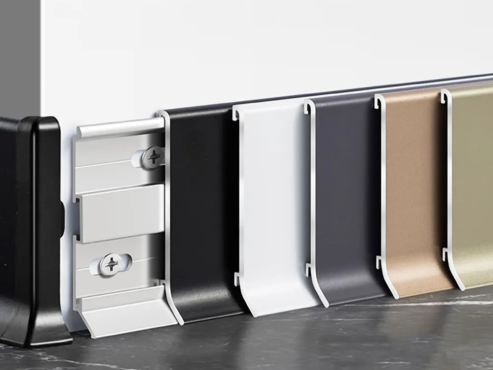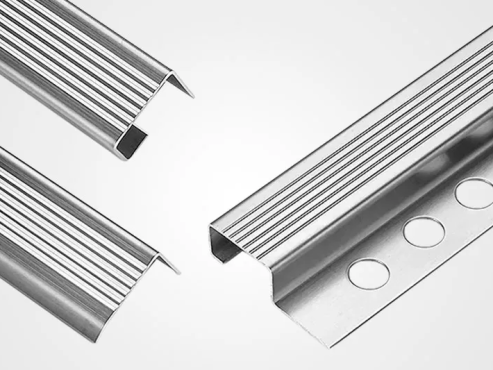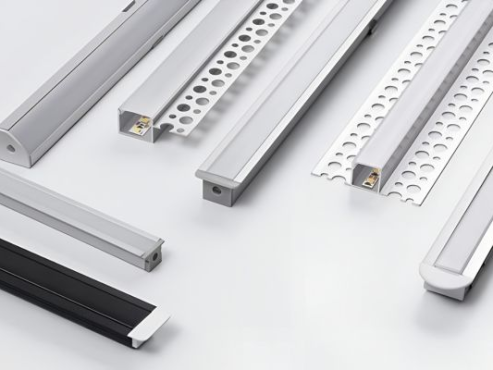
A floor transition may look like a small detail, but it affects how two flooring materials meet, how the carpet edge is held, and how comfortable the joint feels underfoot. A carpet transition strip is used to finish this junction and create a more controlled change from carpet to another surface.
The right profile depends on more than color or shape. You first need to know what material is next to the carpet, whether the two floors finish at the same height, how thick the carpet is when installed, and how the strip will be fixed. A carpet transition strip that works well between carpet and tile may not be the best choice between carpet and vinyl.
This guide explains a practical selection process for common flooring combinations and shows what to check before ordering a profile.
Quick Selection Guide
A useful rule is simple: choose the profile for the flooring condition first, then confirm its dimensions. This prevents a common mistake: selecting an attractive carpet transition strip before checking whether it can actually hold or cover the floor edges.
| Flooring condition | Typical profile direction | Main point to check |
|---|---|---|
| Carpet to tile | Tuck, gripper, edge profile, or reducer | Tile height and exposed carpet edge |
| Carpet to carpet | Joining strip, threshold, or double gripper | Secure both carpet edges |
| Carpet to vinyl | Low-profile reducer, edge trim, or covered transition | Small height changes and thin flooring |
| Carpet to hardwood | Tuck profile, reducer, threshold, or end profile | Finished height and movement allowance |
| Same-height floors | Low-profile joining or cover strip | Joint width and edge retention |
| Different-height floors | Reducer or ramped profile | Vertical height difference |
1. Choose a Carpet Transition Strip by Flooring Combination
The flooring combination is usually the best starting point. Carpet is soft and compressible, while tile, vinyl, and hardwood have different edge conditions and finished heights. For that reason, each junction needs a slightly different solution.
Carpet to Tile Transition Strip
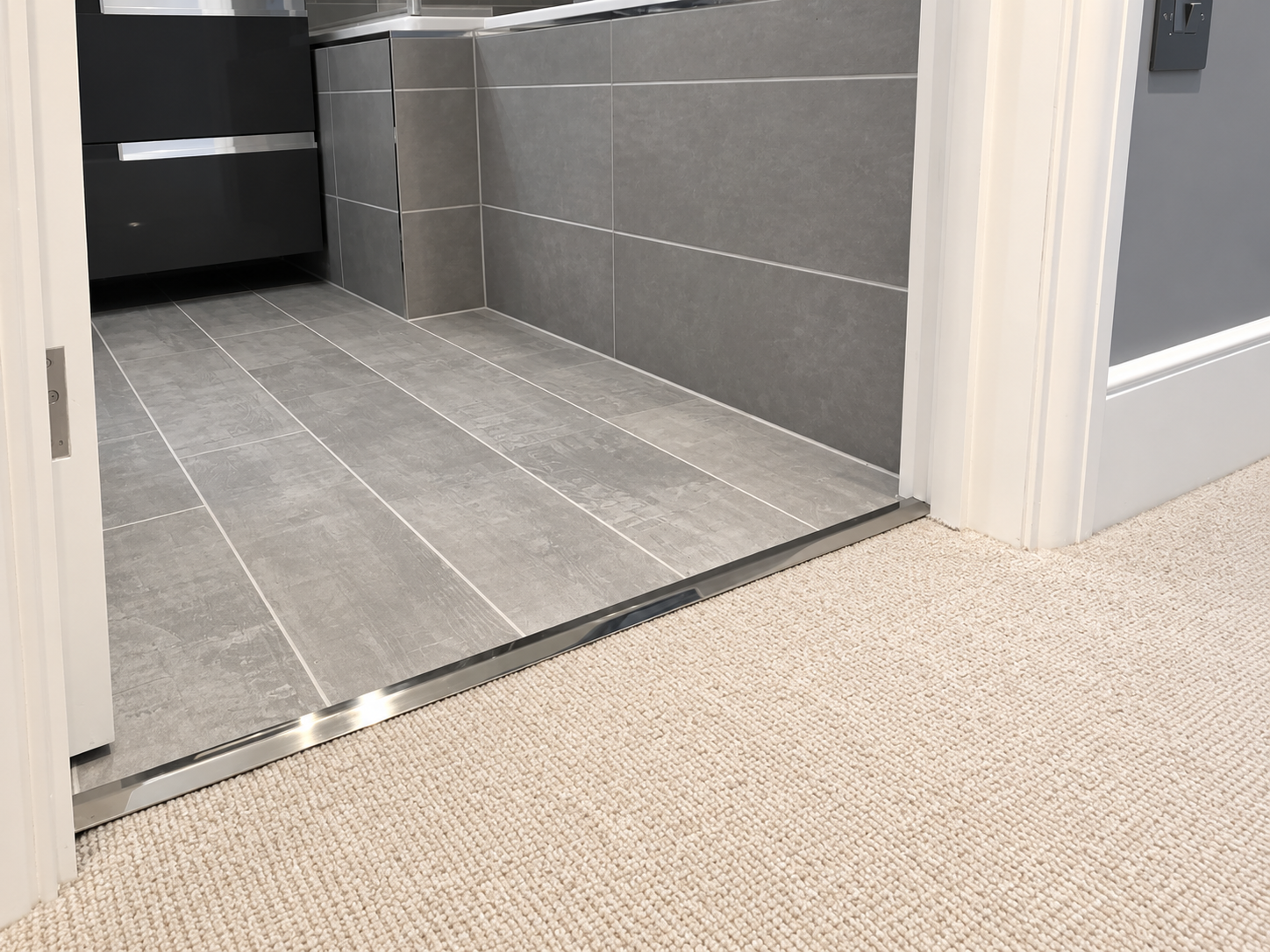
A carpet to tile transition strip has to manage two very different materials. Tile has a rigid exposed edge, while carpet needs to be tucked, gripped, or covered so the cut edge stays controlled.
For floors that finish at similar heights, a Z-bar or tuck-style profile can create a neat connection. The carpet edge is folded or tucked into the profile, while the hard-floor side provides a clean boundary. This type of carpet transition strip is often chosen when a narrow visible transition is preferred.
When the tile is higher than the carpet, a reducer-style profile is usually more suitable. Its sloped top surface bridges the change in level instead of leaving an abrupt step. The exact shape should match the actual height difference after the tile, adhesive, carpet, and underlay are installed.
Another option is an edge profile designed to finish the tile side while providing space for the carpet edge. These profiles are useful when the transition is planned during the tile installation rather than added after both floors are complete.
Before selecting a carpet to tile transition strip, check the finished tile height, compressed carpet height, whether the carpet needs a gripping or tuck-in edge, and whether the profile will be installed with the tile or after flooring is complete.
Carpet to Carpet Transition Strip
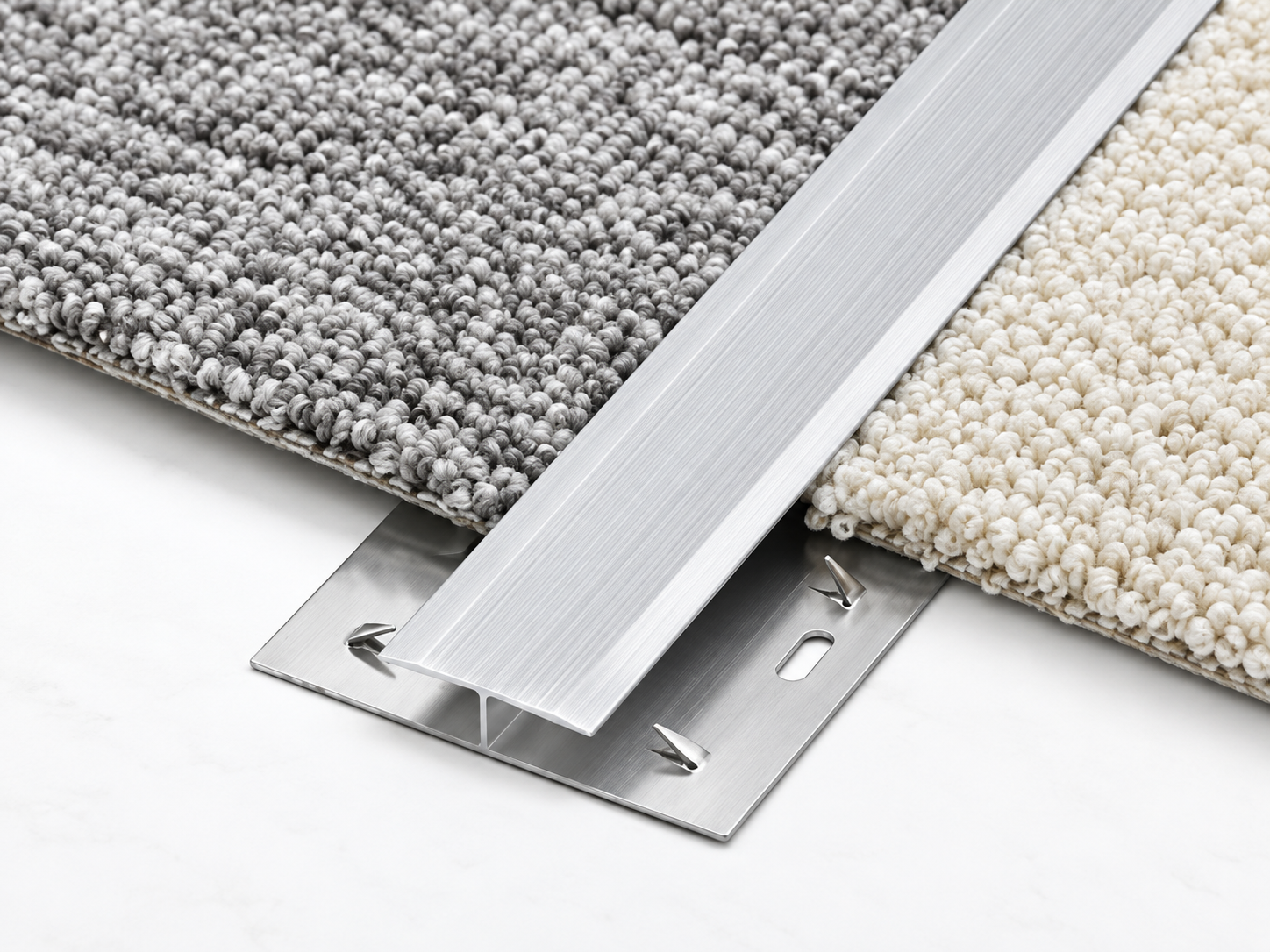
A carpet to carpet transition strip has a different job. There is no hard flooring edge to protect, so the main task is to join two carpeted areas, control the cut edges, and create a stable threshold.
A flat joining strip is suitable when both carpets finish at nearly the same height. It covers the joint and provides a simple visible bridge between the two surfaces. This can work well at doorways where two rooms use different carpet colors or constructions.
A threshold profile creates a more defined division. It is useful where the joint needs a stronger visual boundary or where the doorway itself forms the transition point.
Double-sided carpet gripper profiles are another option. These are designed to hold carpet on both sides of the joint. They are especially useful when edge retention is more important than covering the junction with a wide decorative strip.
When choosing a carpet to carpet transition strip, compare the pile height and backing thickness on both sides. Two carpets may look similar from above but compress differently. A carpet transition strip should sit securely without creating a raised edge that feels unnecessary underfoot.
Carpet to Vinyl Transition Strip
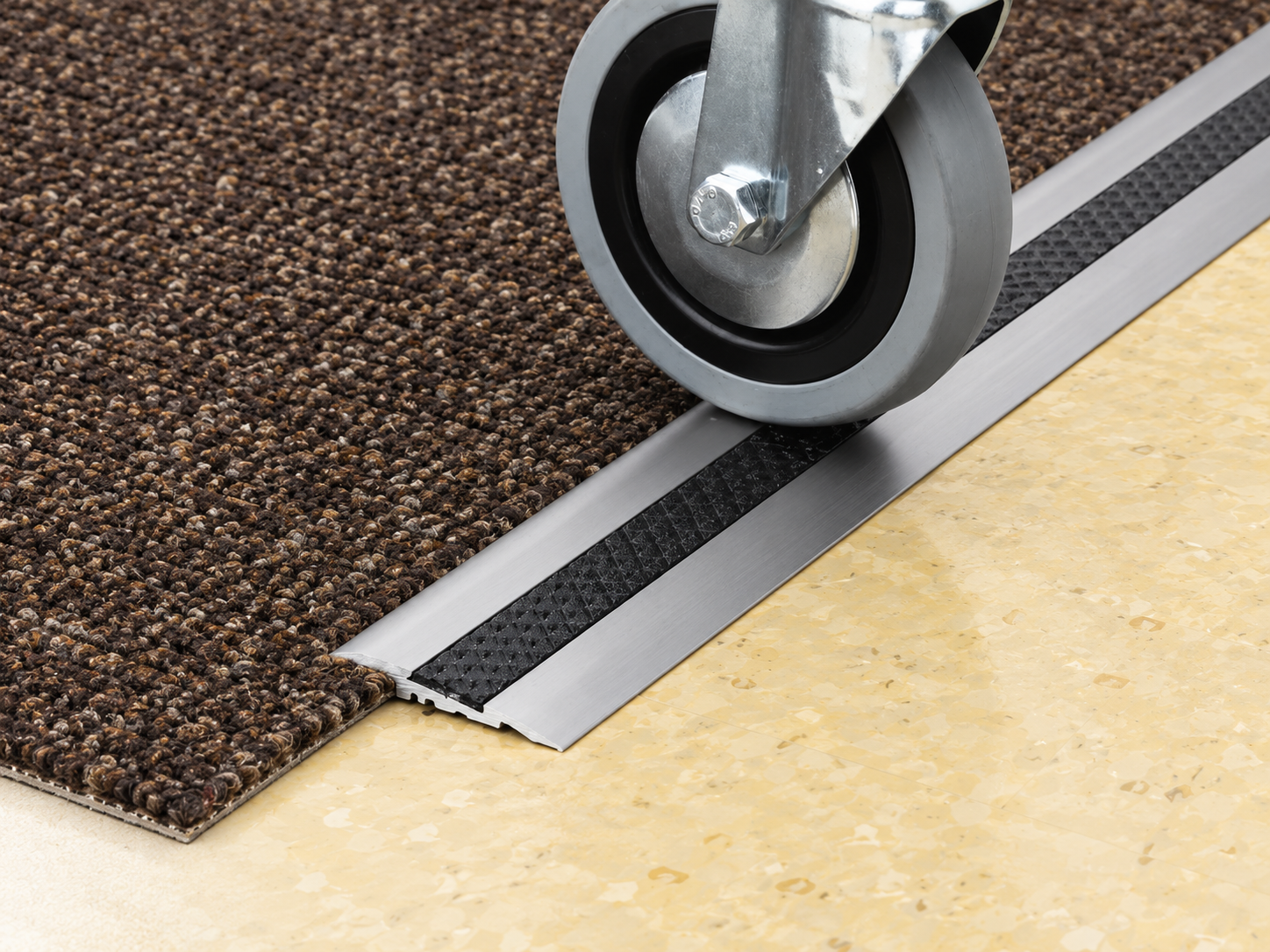
A carpet to vinyl transition strip often needs a lower and more controlled profile because many vinyl flooring systems are thinner than carpet with underlay.
If the carpet sits higher, a low-profile reducer can create a smoother change down to the vinyl surface. The slope should be appropriate for the measured difference rather than selected by appearance alone.
A single-edge carpet trim or gripper-style profile can also work when the main requirement is to secure the carpet edge next to the vinyl. Some systems use a base track with a top cover, allowing the joint and fixings to be concealed.
The vinyl installation method also matters. A floating vinyl floor may require movement space at its edge, while a bonded vinyl surface has a different boundary condition. The selected carpet transition strip should not interfere with the flooring system’s required movement or edge detail.
For a carpet to vinyl transition strip, check whether the vinyl is floating or bonded, the finished height difference, carpet thickness and underlay, required movement space, and the width of the joint to be covered. This is a good example of why a carpet transition strip should be chosen from the floor build-up, not from a catalog image alone.
Carpet to Hardwood Transition Strip
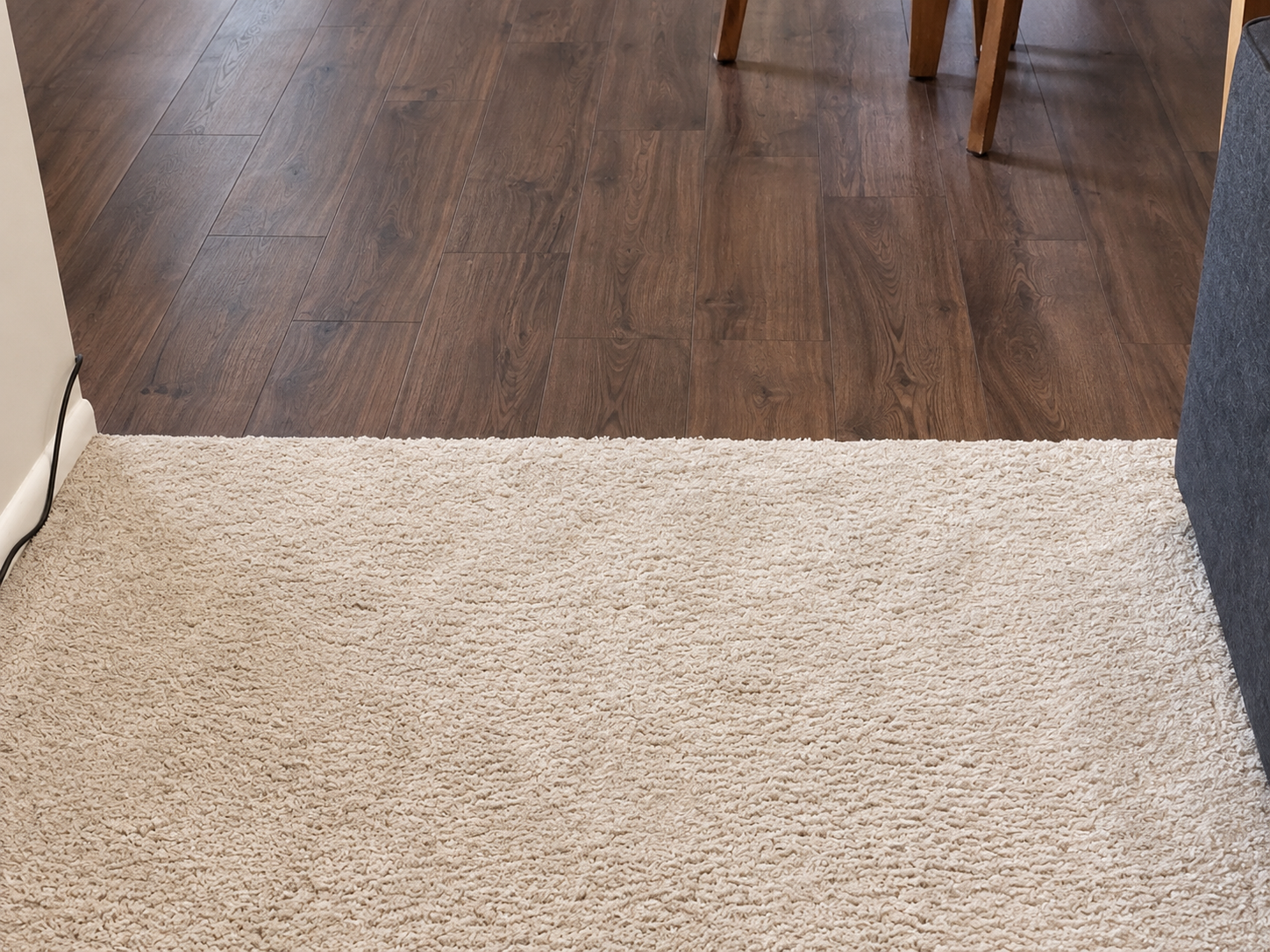
A carpet to hardwood transition strip must create a clean boundary while respecting the different behavior of soft carpet and wood flooring.
Where the two surfaces are close in height, a tuck-style or low-profile threshold can provide a compact transition. The carpet is secured at the edge while the hardwood side remains clearly finished.
If the hardwood is noticeably higher, a reducer profile is a more practical choice. The sloped surface connects the higher hard floor to the lower carpet and gives the junction a more gradual shape.
An end or threshold profile can also be used where the hardwood floor terminates at a doorway. Depending on the flooring system, this type of profile can cover the hardwood edge while leaving the carpet neatly finished on the opposite side.
Avoid assuming that a T-shaped molding is automatically the best carpet-to-hardwood solution. T-moldings are commonly associated with floors of similar height, but the final choice depends on the edge condition, movement requirement, and profile design.
For a carpet to hardwood transition strip, confirm the finished floor heights and any expansion space required by the wood flooring before choosing the profile.
2. Check the Floor Height Difference Before Choosing a Carpet Transition Strip
After identifying the flooring combination, measure the vertical difference between the two finished surfaces. This measurement often determines whether you need a flat profile or a reducer.
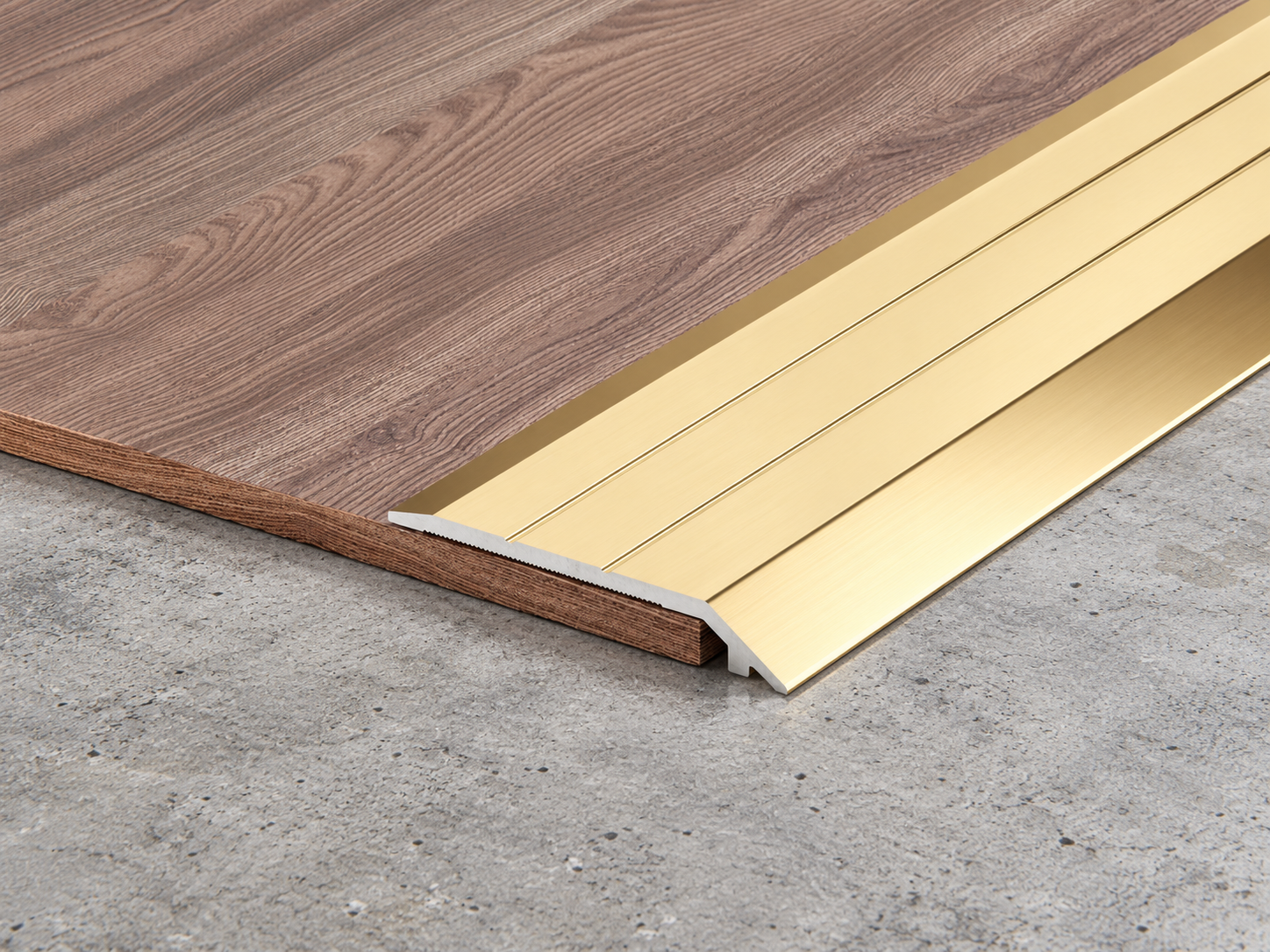
Same-Height Floors
When the two floors are level or nearly level, a low-profile carpet transition strip is usually enough. Joining strips, narrow thresholds, and tuck-style profiles can keep the joint compact.
The goal is not to add height unnecessarily. A thick or strongly ramped profile on two level floors can make the transition more noticeable than it needs to be.
Small Height Difference
A slight height difference can often be handled by a shallow reducer or a profile with a small slope. This is common where carpet meets thin hard flooring.
The correct carpet transition strip should bridge the difference without pressing excessively into the carpet or leaving the hard-floor edge exposed.
Larger Height Difference
A more noticeable height change normally requires a reducer or ramped transition with enough width to create a gradual slope.
Do not try to solve a large height difference with a flat cover strip. Even if the strip can physically span the joint, it may not sit correctly on both surfaces.
Measure at several points along the transition if the subfloor is not perfectly even. A single measurement may not represent the full doorway.
3. Check the Carpet and Floor Thickness
Carpet thickness is not just the visible pile. The installed height can include the carpet construction, backing, underlay, and the way the surface compresses at the transition.
Before ordering a carpet transition strip, measure the actual floor build-up on both sides. If the project is not yet installed, use the specified material thicknesses and allow for the intended installation method.
- Finished carpet height
- Adjacent floor height
- Width of the joint
- Width needed to cover or grip the carpet edge
- Available fixing area on the subfloor
A profile that is too small may not cover the joint. A profile that is unnecessarily wide can make a simple transition look heavy.
As a manufacturer, we recommend confirming the cross-section of the floor junction before bulk ordering. A simple section drawing with both finished floor levels can prevent many selection errors.
4. Choose the Right Material for a Carpet Transition Strip
Material selection should follow the installation environment and traffic level rather than appearance alone.
Aluminum
Aluminum is widely used for transition profiles because it can be formed into many practical shapes and finishes. It is suitable for a broad range of residential and commercial interior applications.
For projects that require consistent lengths, repeatable profile geometry, and multiple finish options, aluminum is often a practical material to specify.
Stainless Steel
Stainless steel is useful where a harder metal surface or a specific metal appearance is required. It can suit demanding interior environments, but profile availability and cost should be checked for the chosen design.
Brass
Brass is normally selected when the finish is part of the interior design. It can create a distinctive visual line at the floor transition, especially in decorative interiors.
PVC or Flexible Materials
PVC and other flexible transition materials can be useful where a softer edge, resilient floor compatibility, or a less prominent metal appearance is preferred.
There is no single best material for every carpet transition strip. The correct choice depends on traffic, cleaning conditions, design requirements, fixing method, and budget.
5. Consider Traffic and Installation Area
A carpet transition strip in a private bedroom does not face the same conditions as one at a hotel corridor, office doorway, shop entrance, or other frequently used junction.
Higher-traffic locations need more attention to profile stability, edge retention, and fixing. The transition should remain secure when exposed to repeated foot traffic, cleaning equipment, carts, or wheeled luggage where applicable.
For project work, consider how the space will actually be used. A very narrow decorative profile may look suitable in a sample, but a more robust cross-section may be a better choice for a busy entrance.
Traffic level should be considered together with substrate condition. Even a strong carpet transition strip will perform poorly if the fixing method is unsuitable for the base beneath it.
6. Choose the Installation Method
The fixing method affects both the appearance and the suitability of the transition.
Screw-Fixed Profiles
Mechanical fixing is useful where the substrate can accept screws and where a secure, serviceable installation is required. Some profiles leave the fixings visible, while others use a cover to conceal them.
Adhesive-Fixed Profiles
Adhesive fixing can provide a clean surface without visible screws. However, the substrate must be suitable, clean, and properly prepared for the selected adhesive system.
Gripper Systems
Gripper-style transitions are designed to hold the carpet edge mechanically. They are useful when the carpet needs to be stretched, tucked, or retained at the junction.
Track or Clip Systems
These systems separate the base fixing from the visible top profile. They can make the finished transition cleaner and may allow the top section to cover the joint after the floor finishes are in place.
Embedded Profiles
Some carpet transition strip designs are installed as part of the adjacent hard-floor construction. For example, a flange may sit below tile or another floor finish. These profiles need to be selected before the hard flooring is completed.
The installation sequence matters. A profile intended for embedded installation cannot always be substituted easily after both floors are finished.
Common Mistakes When Choosing a Carpet Transition Strip
- Choosing by appearance first. A finish may match the interior, but the profile still needs to suit the flooring combination and height difference.
- Ignoring the installed height. Carpet, underlay, adhesive, mortar, and hard flooring all affect the final level. Nominal product thickness alone is not enough.
- Using a flat strip across a large height difference. A reducer is usually a more controlled solution when one floor is clearly higher.
- Forgetting how the carpet edge will be held. Some transitions only cover a joint. Others grip or tuck the carpet. These functions are not interchangeable.
- Ordering before checking the fixing method. The subfloor, floor sequence, and access to the joint can limit which carpet transition strip can be installed.
Frequently Asked Questions
What Is the Best Carpet Transition Strip for Tile?
The best carpet transition strip for tile depends mainly on the finished height difference and how the carpet edge needs to be secured. A tuck or Z-style profile can suit relatively level floors, while a reducer is more appropriate when the tile is higher. Embedded tile-edge profiles can also be considered during new installation.
What Type of Carpet to Carpet Transition Strip Should I Use?
For two carpets of similar height, a flat joining strip or threshold is a simple option. If both carpet edges need stronger retention, a double gripper profile may be more suitable. Measure the compressed carpet thickness on both sides before choosing the strip so the joint does not become unnecessarily raised.
How Do I Transition Carpet to Vinyl Flooring?
Start by measuring the finished height of the carpet and vinyl. If the carpet is higher, a low-profile reducer can create a gradual transition. A carpet edge trim or gripper profile may work when the main requirement is securing the carpet. Also check whether the vinyl needs edge movement space.
What Is the Best Carpet to Hardwood Transition Strip?
A carpet to hardwood transition strip should match the height difference and hardwood edge condition. Tuck-style thresholds work well for compact transitions, while reducers suit a higher hardwood surface. If the wood flooring requires expansion space, select a profile that finishes the edge without restricting the flooring system.
How Do I Choose a Transition Strip for Floors of Different Heights?
Measure the vertical difference between the two finished floors, not just the material thicknesses. Small differences may need only a shallow reducer, while larger differences require a wider ramped profile. Then confirm that the selected carpet transition strip can also secure or cover the carpet edge correctly.
Conclusion
Choosing the right carpet transition strip is mainly a process of matching the profile to the actual floor junction. Start with the flooring combination, measure the finished height difference, check carpet and adjacent floor thickness, and then decide on material and fixing method.
For project orders, a cross-section drawing or physical floor sample is more useful than choosing from appearance alone. Once the dimensions and edge conditions are clear, the carpet transition strip can be selected with much greater confidence and consistency.
Looking for the right aluminum transition profiles for your project? Chenhao&Shuangli Aluminum offers stable quality, factory-direct pricing, custom profiles, OEM service, bulk supply, and global shipping. Contact us to discuss your requirements and find the right solution.