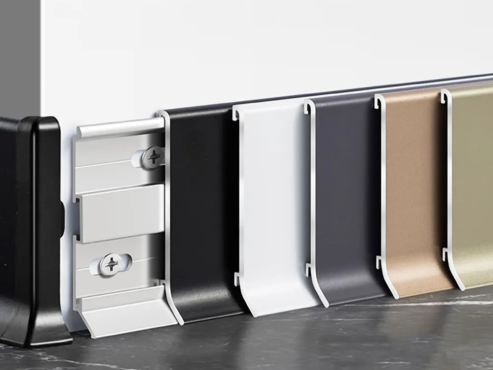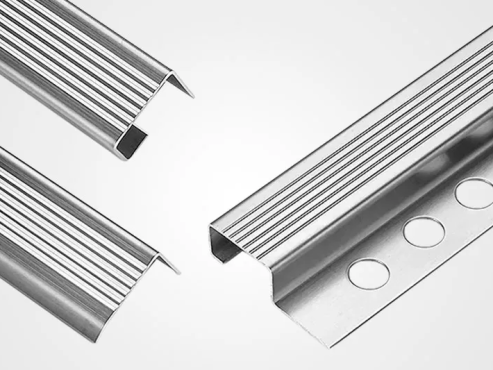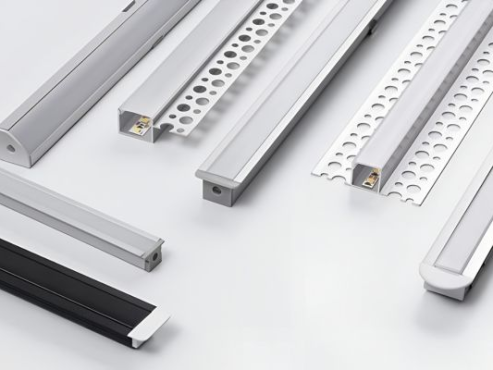
Kitchen cabinet handles may look like a small detail, but their placement can change how the whole kitchen feels. Put them too high, too low, or at inconsistent heights, and even high-quality kitchen cabinet handles can make a cabinet run look unfinished. Place them well, and they create clean lines, comfortable grip, and a more polished design.
This guide explains where to put handles on kitchen cabinets, including upper cabinet doors, base cabinet doors, drawers, tall pantry cabinets, Shaker doors, and modern flat-front cabinets. It also covers practical measuring tips before drilling, common placement mistakes, and handle styles that work well for different kitchen designs.
Standard Placement for Kitchen Cabinet Handles on Doors
Cabinet doors are usually divided into upper cabinet doors, base cabinet doors, tall doors, and special door styles such as Shaker fronts. Each type needs a slightly different placement approach.
Upper Cabinet Doors
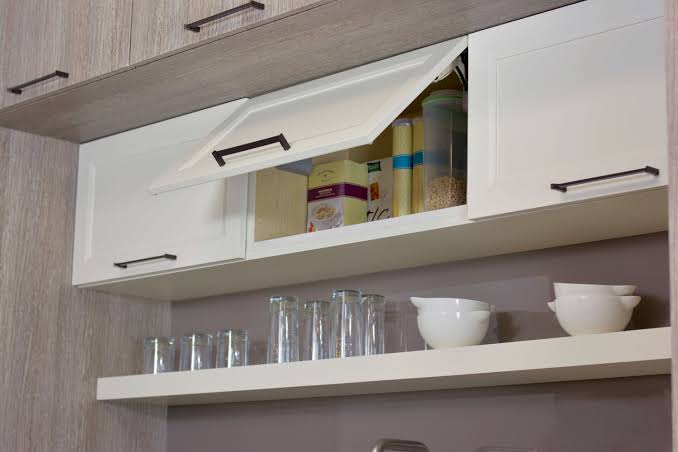
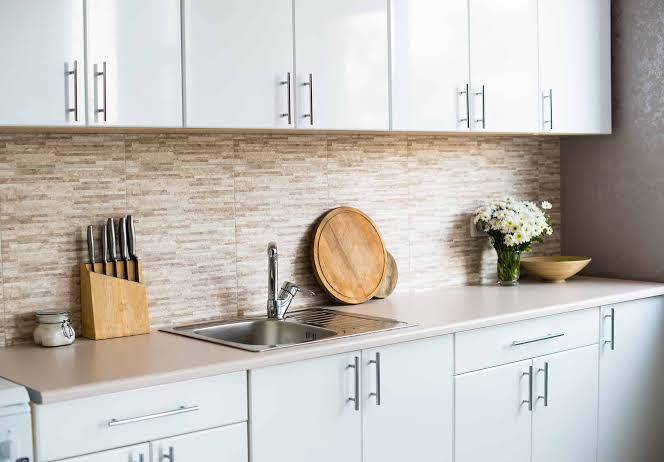
On upper cabinet doors, handles are normally placed near the lower corner of the door, on the side opposite the hinge. This keeps the handle within easy reach and prevents the user from stretching too far upward.
For a vertical pull handle, the lower end or center point of the handle is often positioned around 2.5 to 3 inches from the bottom edge of the door. The exact measurement depends on the handle length and the proportions of the cabinet door. A longer pull may need more space so it does not look crowded against the door rail.
For knobs, the placement is usually close to the lower outside corner. A common visual starting point is around 2.5 to 3 inches from both the side edge and bottom edge. However, the best position should be tested on the actual door before drilling.
Base Cabinet Doors
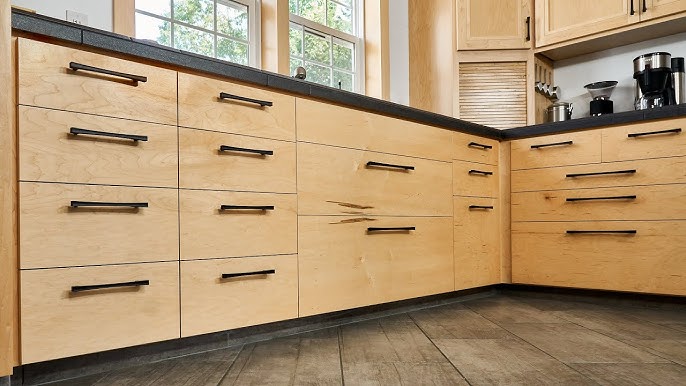
On base cabinet doors, the handle is usually placed near the upper corner of the door, again on the side opposite the hinge. This makes the handle easy to reach from a standing position and keeps the hardware visually connected to the countertop line.
If the kitchen has both upper and lower cabinets, align the placement logic rather than copying the exact same direction. Upper handles sit near the lower corner; base handles sit near the upper corner. Together, they create a clean, practical pattern.
Shaker Cabinet Doors
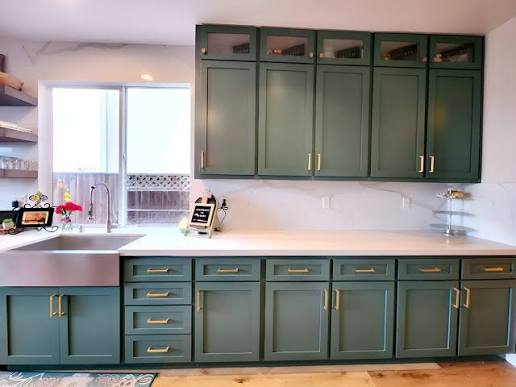
For Shaker cabinet doors, install handles on the stile, not in the recessed center panel. The stile is the vertical frame section on the side of the door. Placing the handle there keeps the hardware visually connected to the door frame and helps avoid a cramped look in the center panel.
If you are using long bar pulls on Shaker doors, check that the handle does not run too close to the inner edge of the frame. Leave enough visual breathing room so the handle looks intentional rather than squeezed into the frame.
Slab and Flat-Front Cabinet Doors
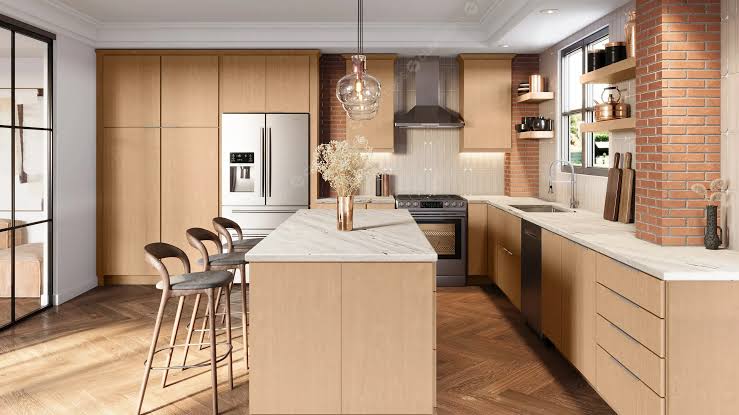
Flat-front doors give you more freedom because there is no frame detail to follow. For modern kitchens, long vertical pulls are often placed near the outside edge of the door, creating a clean architectural line. For a softer look, shorter pulls or knobs can be placed near the corner in a more traditional position.
Because flat doors have fewer visual reference points, consistency becomes especially important. Mark the same distance from the edge on every similar door, and view the whole cabinet run before drilling.
Where to Put Handles on Kitchen Drawers
Drawers are used differently from doors, so the placement rules are different. The handle needs to support a straight, comfortable pulling motion.
Small and Medium Drawers
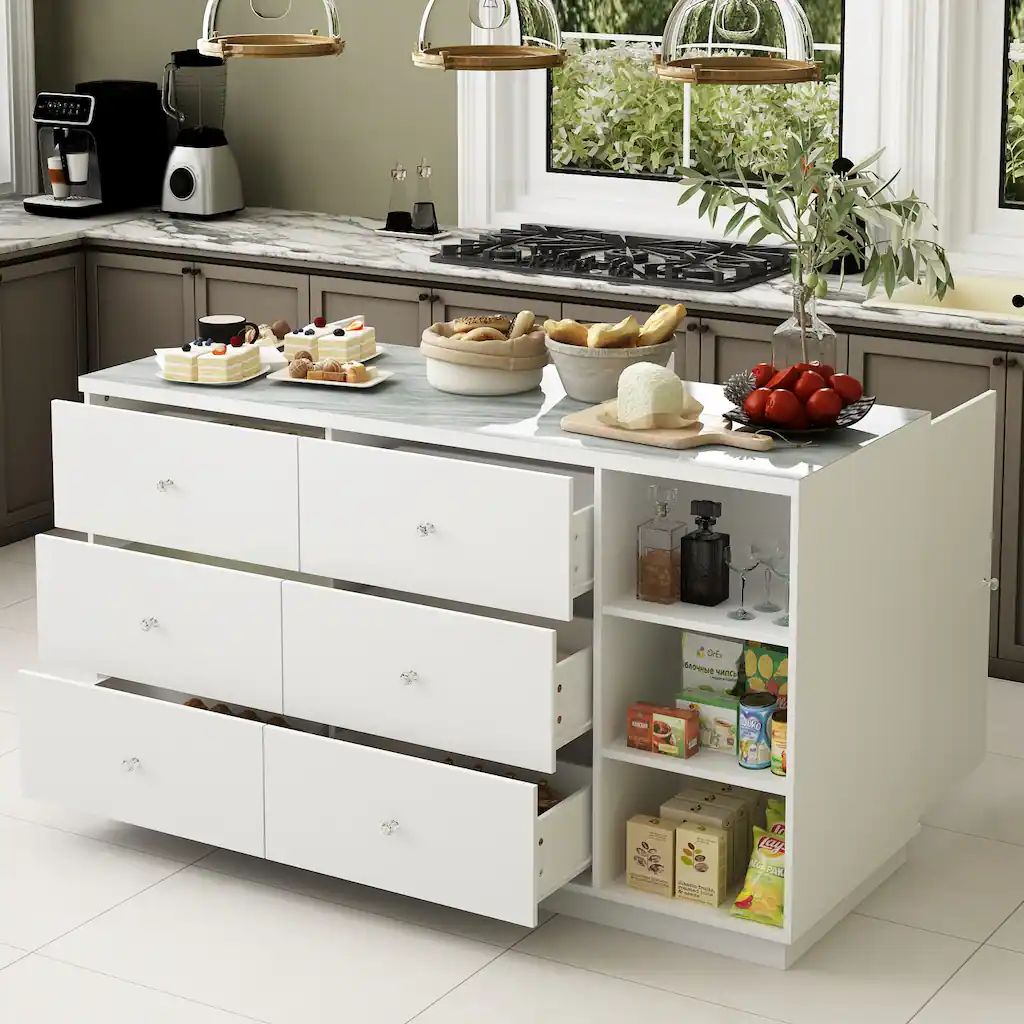
For small and medium drawers, center the handle horizontally on the drawer front. In most cases, the handle should also be vertically centered. This creates a balanced look and works well for cutlery drawers, utensil drawers, and standard storage drawers.
If you are using knobs instead of pulls, one centered knob is usually enough for a small drawer. For medium drawers, a centered pull often gives better grip than a single knob.
Wide Drawers
Wide drawers can use either one long handle or two smaller handles. One long handle creates a modern, continuous look and is usually easier to align. Two handles can be useful on very wide drawers, heavy cookware drawers, or drawers that need to be pulled evenly from both sides.
If using two handles, space them evenly from the centerline so the drawer front looks balanced. Avoid placing them too close to the outer edges, because that can make the drawer look busy and can feel awkward in daily use.
Deep Drawers
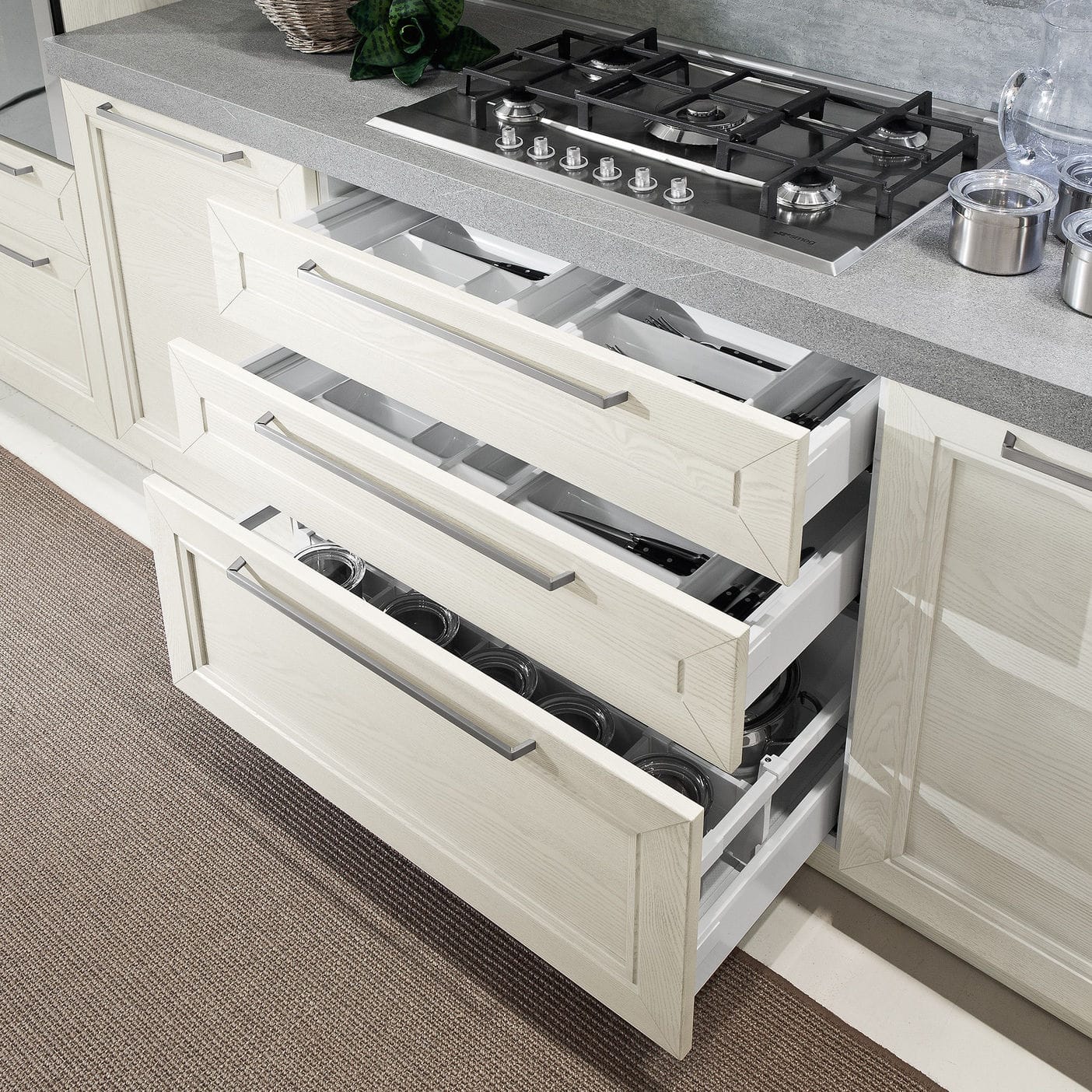
Deep drawers often hold heavier items such as pots, pans, dishes, or pantry goods. For these drawers, a handle placed slightly above the vertical centerline can feel more natural. This higher placement gives the user a better pulling angle and can reduce strain when the drawer is loaded.
Before drilling, tape the handle in place and test the grip. Open the drawer several times from a normal standing position. If the pull feels low or awkward, move it slightly upward and test again.
Handle Placement for Tall Cabinets, Pantry Doors, and Appliance Panels
Tall cabinets need a different approach because the door height is much greater than a standard wall or base cabinet. The goal is to place the handle where the hand naturally reaches.
For a tall pantry cabinet, position the handle around comfortable adult hand height. It should be easy to grab without bending down or reaching too high. If the tall cabinet sits beside standard base cabinets, align the handle with nearby hardware where possible, but do not sacrifice comfort just to match a line.
For full-height modern doors, long vertical kitchen cabinet handles can work very well. They create a strong vertical line and provide a larger gripping area. This is useful for pantry doors, tall storage cabinets, and integrated refrigerator or freezer panels.
For appliance panels, check how much force is needed to open the appliance. A refrigerator panel or dishwasher panel may need a stronger, more comfortable pull than a normal cabinet door. Choose a handle that looks consistent with the kitchen but still performs well for the appliance.
How to Choose the Right Handle Position Before Drilling
Once a hole is drilled, fixing a placement mistake can be difficult. Use this simple planning process before installation.
Step 1: Choose Handle Type and Size
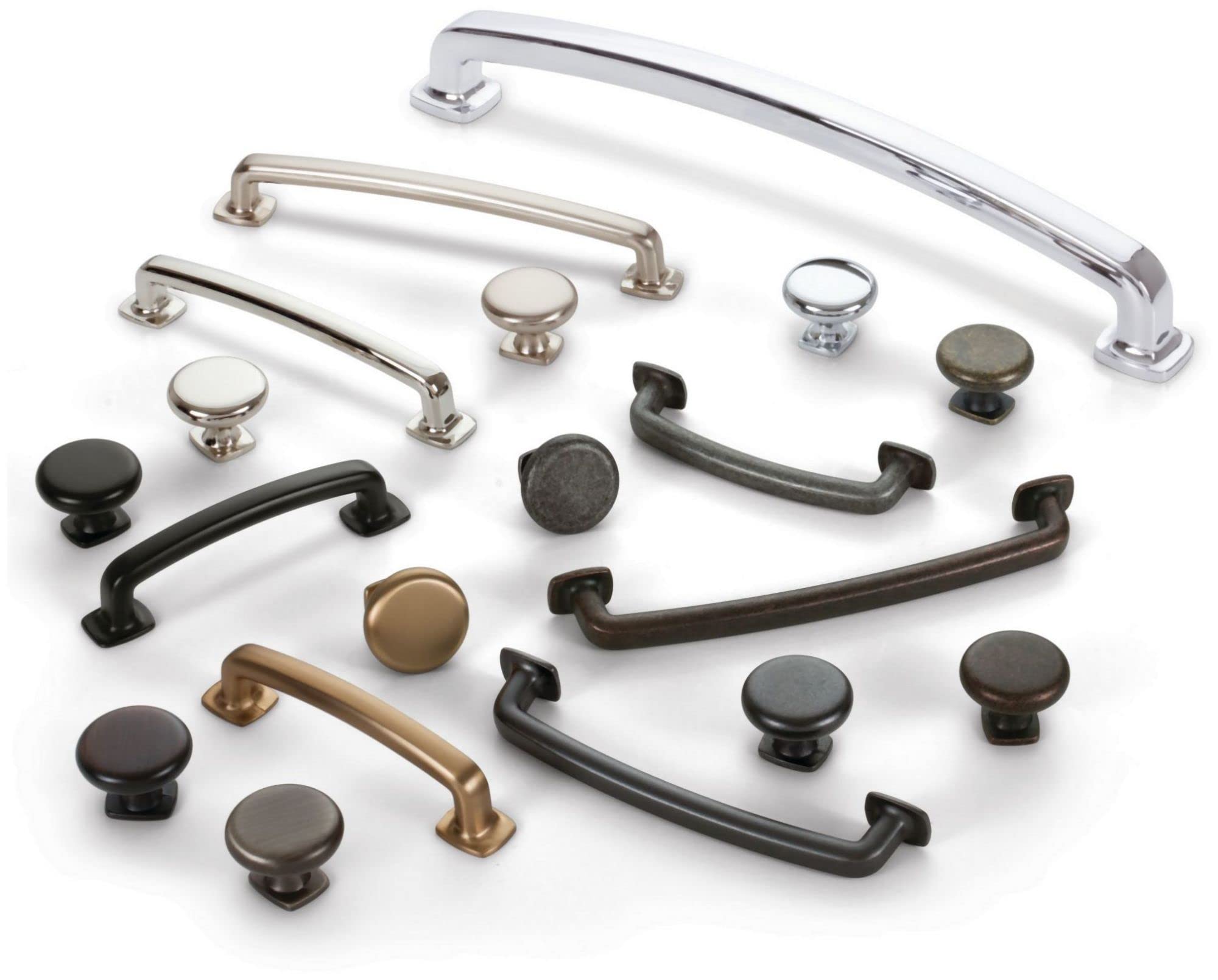
The best placement depends on the handle type. Knobs, bar pulls, T-bar handles, edge pulls, concealed pulls, and long aluminum handles all create different visual effects.
Small knobs need a simple corner or center reference. Bar pulls require careful attention to length and hole spacing. Long modern handles may need more distance from cabinet rails and edges so the ends do not look too close to the door frame.
If your kitchen design uses slim aluminum kitchen cabinet handles, decide whether the handles should blend into the cabinet lines or become a visible accent. That choice will influence whether you use vertical, horizontal, edge-mounted, or centered placement.
Step 2: Mark a Consistent Reference Point
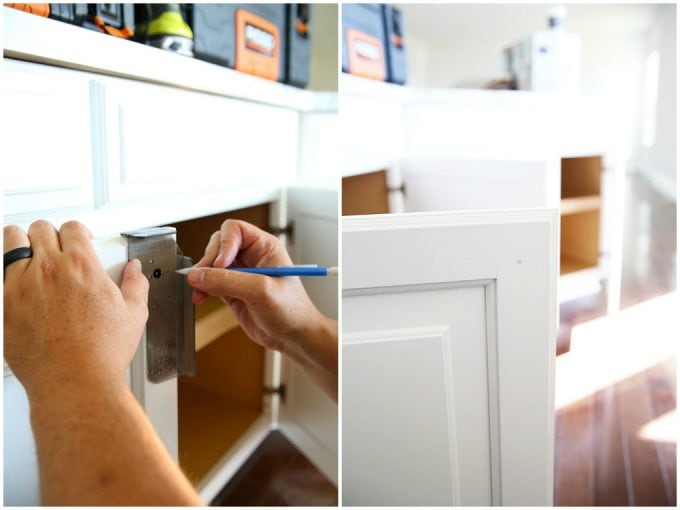
Choose one reference point for each cabinet type. For doors, this may be the outside edge and top or bottom rail. For drawers, it is usually the horizontal and vertical centerline. For Shaker doors, the stile and rail provide useful visual guides.
Use a pencil, removable tape, or a light marking method that will not damage the cabinet finish. Avoid guessing by eye from one cabinet to the next. Even a small difference can become obvious when several handles are installed in a row.
Step 3: Use a Template or Cabinet Hardware Jig
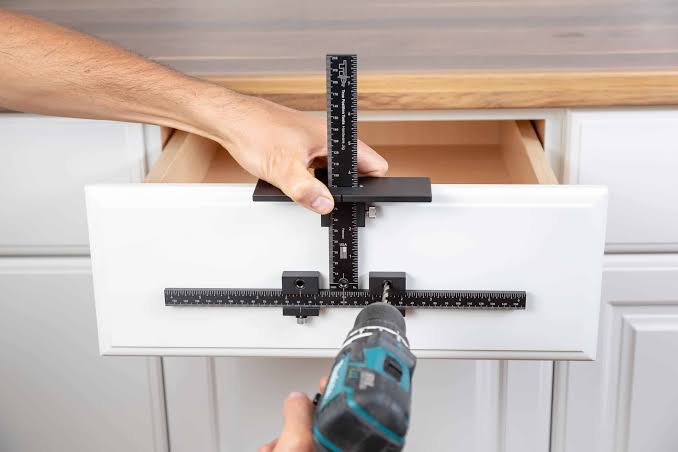
A cabinet hardware template or jig makes handle installation more consistent. It helps you repeat the same hole spacing and edge distance across multiple doors and drawers.
This is especially helpful when installing many kitchen cabinet handles in the same project. Measure carefully, confirm the hole spacing on the actual handle, and test the template on scrap material if possible before drilling into finished cabinet fronts.
Step 4: Test With Tape Before Drilling
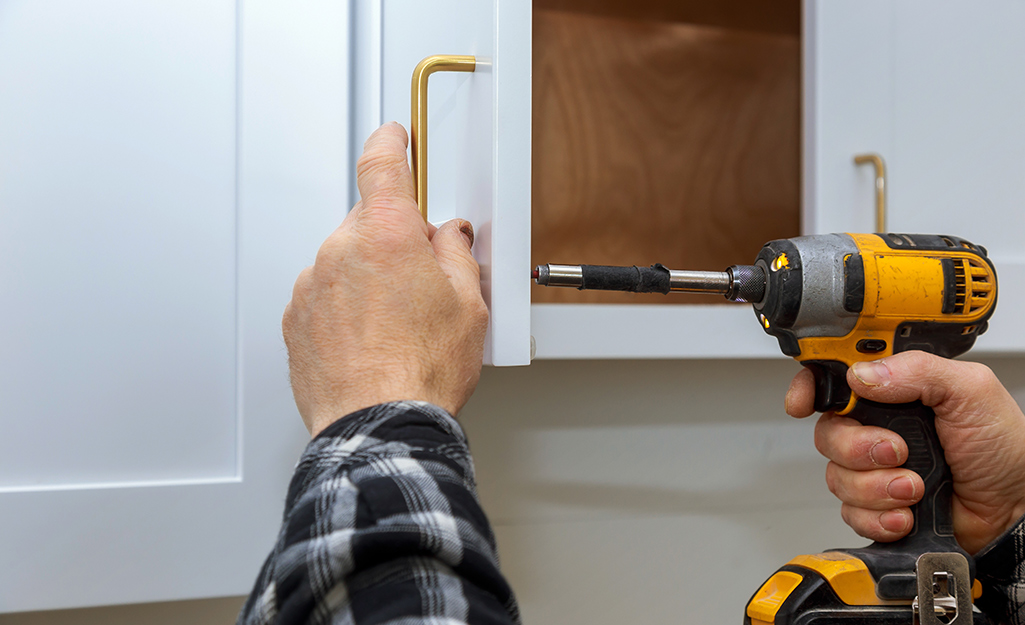
Before drilling, use painter’s tape to place each handle in its planned position. Step back and look at the kitchen from the distance where people normally view it. Check alignment across cabinet rows, drawer stacks, corners, and appliance panels.
Then test the position by opening and closing the cabinets. The handle should feel natural, and your hand should not hit nearby doors, walls, or trim. This small test can prevent costly mistakes.
Common Kitchen Cabinet Handle Placement Mistakes
The most common mistake is using one measurement for every cabinet without considering door type, drawer size, or handle length. Upper doors, base doors, tall doors, and drawers all need their own placement logic.
Another mistake is placing handles too close to the cabinet edge. This can look cramped and may make installation less forgiving. Leave enough space around the handle so it feels visually balanced.
Ignoring handle length is also a problem. A long pull on a narrow door may look oversized, while a tiny knob on a large drawer may feel uncomfortable. Match the handle scale to the cabinet front.
Inconsistent centerlines can also make a kitchen look unfinished. This often happens on drawer stacks or long cabinet runs where each handle is measured separately. Use a template and check the full row before drilling.
Finally, do not choose hardware only for appearance. A handle can look beautiful in a product photo but feel uncomfortable on a heavy drawer. Always consider grip, reach, and daily use.
Frequently Asked Questions
Where should handles be placed on kitchen cabinet doors?
On cabinet doors, handles are usually placed on the stile opposite the hinge. Upper cabinet handles are normally near the lower corner, while base cabinet handles are near the upper corner. A common starting point is around 2.5 to 3 inches from the nearest edge, adjusted for handle size and cabinet style.
Should kitchen cabinet handles be centered on drawers?
Yes, kitchen cabinet handles are usually centered horizontally on drawers. On small and medium drawers, vertical centering also works well. On deep or heavy drawers, placing the handle slightly above the vertical center can make the drawer easier and more comfortable to pull.
Do knobs and pulls follow the same placement rules?
Knobs and pulls follow similar visual placement rules, but pulls need more attention to length and hole spacing. A knob has one mounting point, while a pull has two. Before drilling, check the pull length, screw spacing, and distance from the cabinet edge.
Where do you put handles on Shaker kitchen cabinets?
On Shaker cabinet doors, handles are usually placed on the stile rather than the recessed center panel. For upper doors, place the handle near the lower corner. For base doors, place it near the upper corner. This keeps the hardware aligned with the cabinet frame.
Should all kitchen cabinet handles line up?
Kitchen cabinet handles should follow a consistent alignment system, but doors and drawers do not always use the same exact measurement. Door handles usually relate to corners and stiles, while drawer handles usually relate to centerlines. Consistency within each cabinet type is the key.
Can I install kitchen cabinet handles without a template?
You can install handles without a template, but a cabinet hardware template or jig makes the result more consistent. It is especially useful when installing many handles. If you do not use a template, measure carefully, mark lightly, and test the position before drilling.
What handle style is best for modern kitchen cabinets?
Modern kitchen cabinets often work best with long bar pulls, slim aluminum handles, edge pulls, or concealed pulls. The best style depends on the cabinet finish and how visible you want the hardware to be. For a clean look, choose simple shapes and consistent placement.
Conclusion
The best place to put kitchen cabinet handles depends on the cabinet type, handle length, door style, and how the cabinet is used every day. Upper cabinet doors usually need handles near the lower corner, base cabinet doors usually need handles near the upper corner, and drawers usually look best with centered handles.
Before drilling, test the placement with tape, check alignment across the full cabinet run, and choose hardware that is comfortable as well as attractive. For project-specific handle profiles, finishes, and cabinet hardware options, contact us for recommendations.