Baseboards may look like a small finishing detail, but they influence how well the lower part of a wall holds up in daily use. They cover the joint between the wall and floor, protect the wall from cleaning equipment and minor impacts, and help complete the visual transition at floor level.
For many projects, the choice eventually comes down to a wood baseboard or an aluminum baseboard. Both can provide a clean finish, but they behave very differently once installed.
The right option depends less on which material looks “better” and more on where the baseboard will be installed, how much maintenance is acceptable, and how long the finish is expected to remain consistent. This comparison explains the main performance differences that should be considered before specification or bulk purchasing.
Wood Baseboard vs Aluminum Baseboard: Quick Comparison
| Performance Factor | Wood Baseboard | Aluminum Baseboard |
|---|---|---|
| Appearance | Warm, natural, traditional | Clean, linear, contemporary |
| Moisture resistance | Moderate to low unless well sealed | High with a suitable finish |
| Dimensional stability | Can expand, shrink, or warp | Stable in normal interior use |
| Impact resistance | Can dent, chip, or split | Good resistance to everyday impact |
| Maintenance | May need repainting or refinishing | Usually needs only routine cleaning |
| Profile precision | Good, but affected by machining and wood movement | High and consistent from extrusion |
| Installation | Often nailed, pinned, or bonded | Usually bonded, screwed, or clip-mounted |
| Customization | Flexible in paint, stain, and routed shapes | Flexible in profile geometry and surface finish |
| Long-term consistency | Depends strongly on the environment | Generally consistent across large projects |
This table gives a useful starting point, but the material itself is only part of the decision. Profile design, surface treatment, wall condition, flooring type, and installation method can change the final result.
1. Moisture Resistance of Wood Baseboard and Aluminum Baseboard
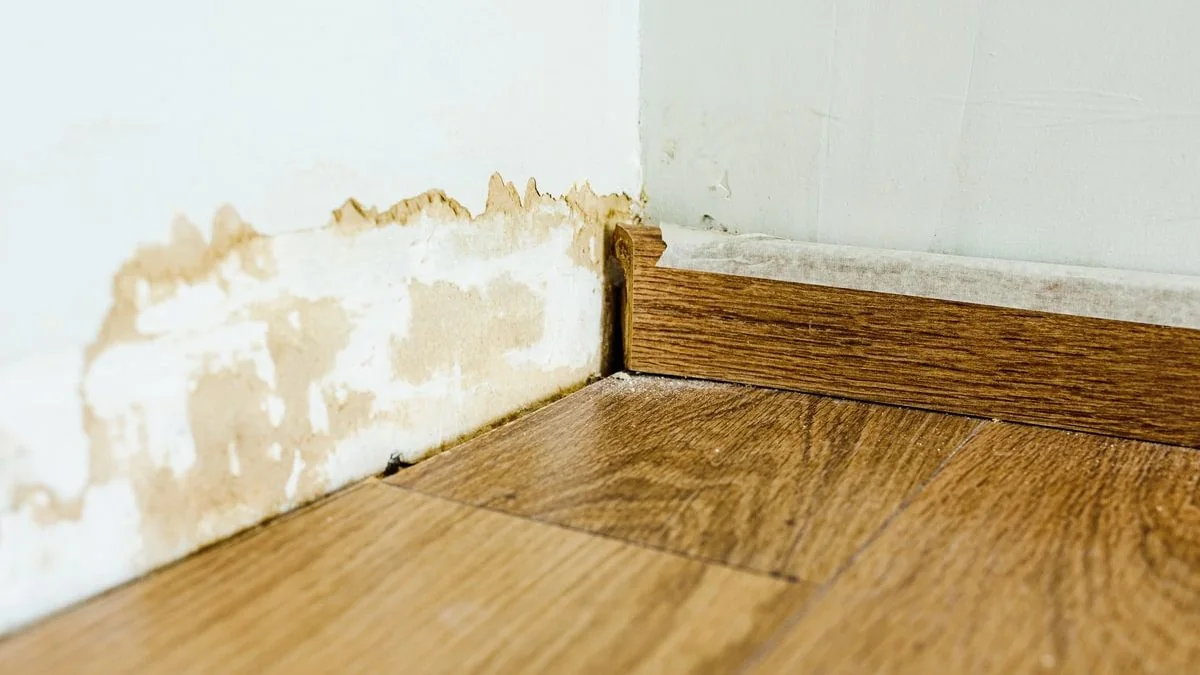
Moisture is one of the clearest points of difference.
A wood baseboard can perform reliably in dry rooms, especially when all faces and cut ends are properly sealed. The problem usually appears when moisture reaches an unfinished edge or the back of the board. Repeated exposure can cause swelling, staining, paint failure, or localized decay depending on the wood species and conditions.
An aluminum baseboard does not absorb moisture. With a suitable anodized or powder-coated finish, it works well in spaces that are cleaned frequently or exposed to occasional splashes. This is one reason metal skirting is often considered for kitchens, corridors, wash areas, and similar interiors where the wall base needs easier cleaning.
This does not mean every aluminum profile is automatically suitable for every wet location. The alloy, finish, fasteners, adhesives, and adjoining materials still need to match the environment.
Manufacturer’s Tip: If the project includes damp areas, do not compare only the visible face of the baseboard. Check the cut edges, fixing method, sealant requirements, and wall condition. Many moisture-related problems begin at joints and hidden contact surfaces.
2. Impact Resistance and Everyday Wear
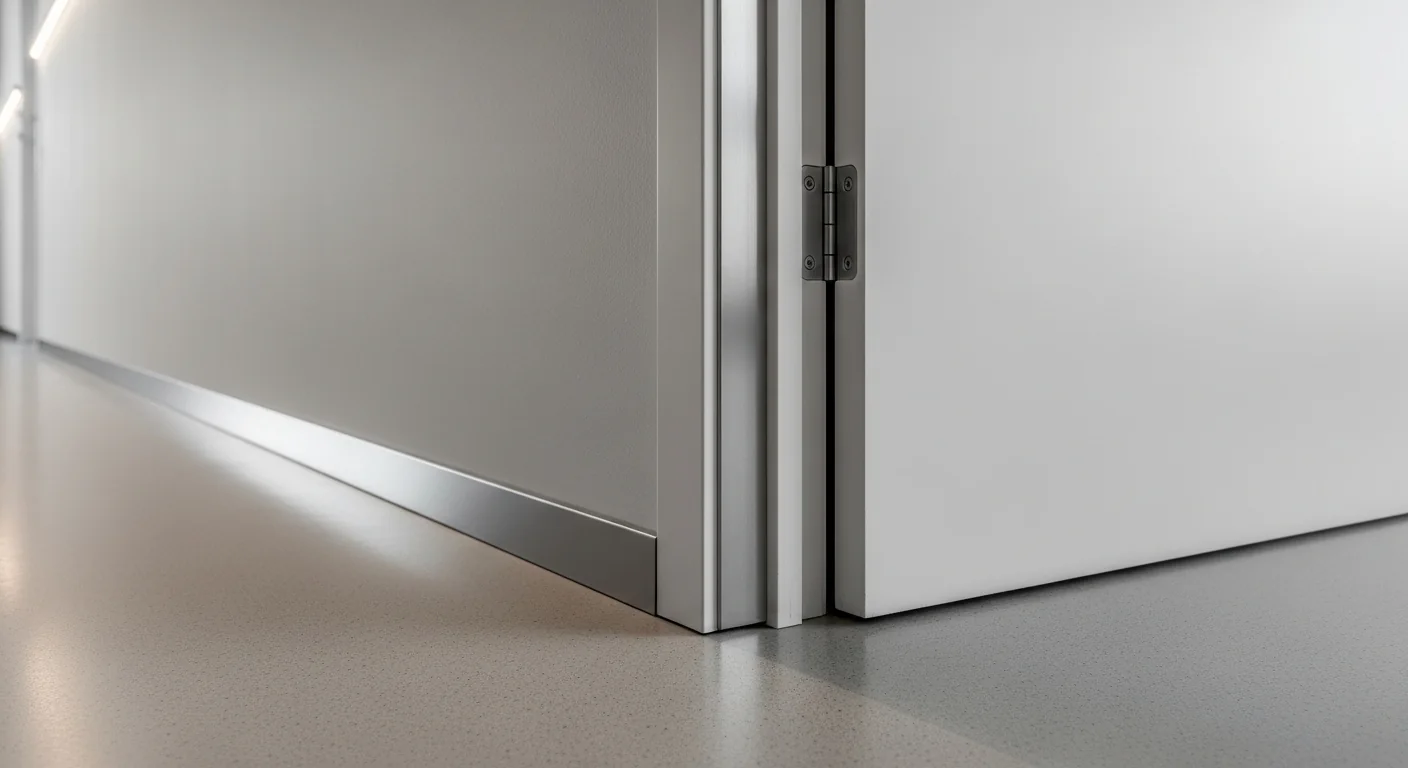
The lower wall zone takes more abuse than many designers expect. Cleaning equipment, shoes, furniture, and moving objects regularly come into contact with the baseboard.
A wood baseboard can absorb light knocks, but repeated impact may leave dents, chipped paint, or damaged corners. Hardwood usually performs better than softwood, although it also increases cost. Painted wood can be repaired relatively easily, which is useful in interiors where occasional touch-up work is acceptable.
An aluminum baseboard generally provides a harder and more stable protective edge. It will not split like timber, and a quality surface finish can handle routine cleaning and contact well. A very heavy impact can still dent an aluminum profile, so it should not be treated as an indestructible wall guard. Profile thickness and geometry matter.
For high-use commercial interiors, the aluminum baseboard often offers a more predictable service life. For lower-traffic rooms where appearance is the priority, a wood baseboard may be entirely sufficient.
3. Surface Maintenance and Long-Term Appearance
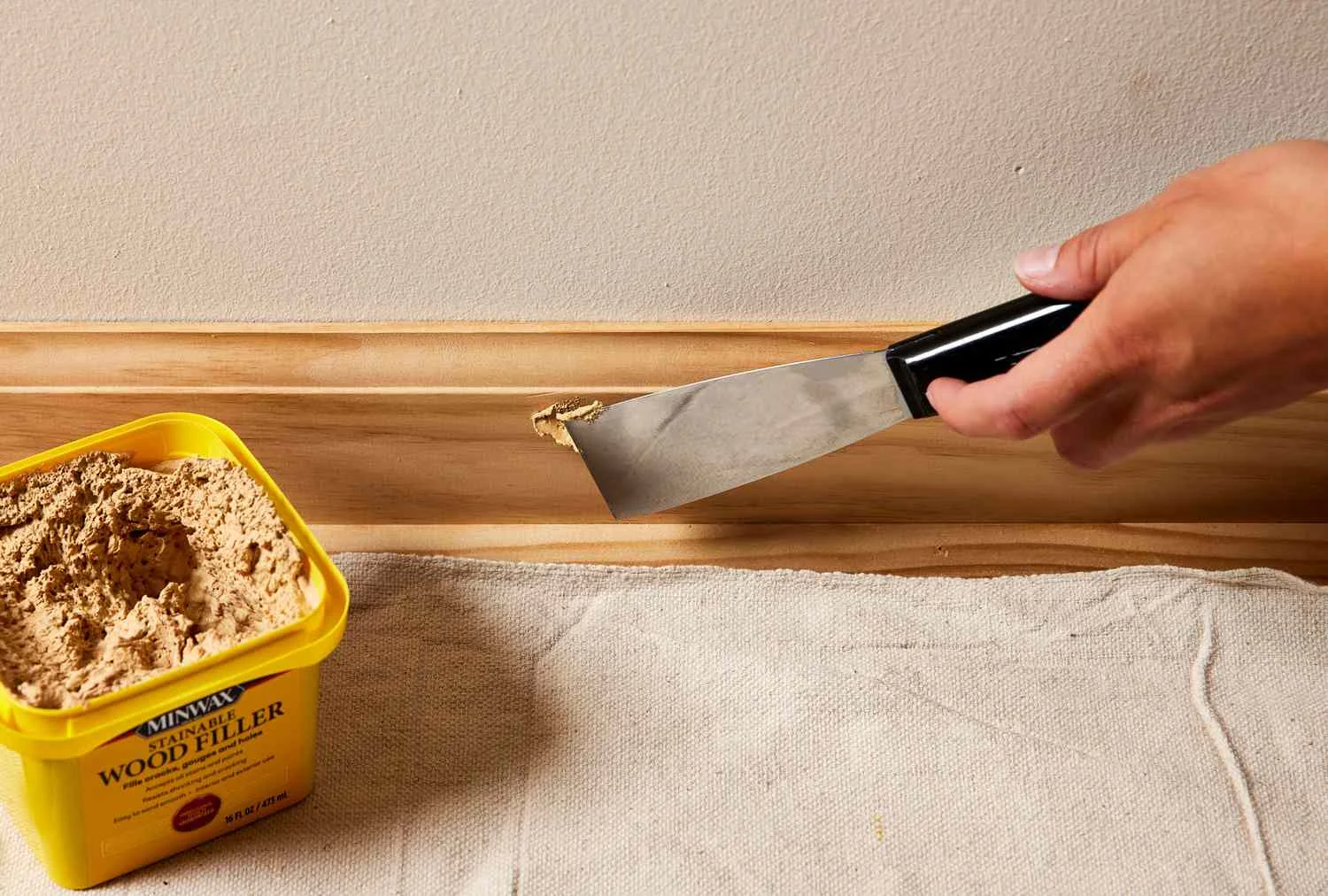
Maintenance is where the initial material choice starts to affect operating cost.
A painted wood baseboard may eventually need filling, sanding, or repainting. Stained timber can also need refinishing if the surface becomes scratched or faded. These tasks are not difficult, but they can become significant across a large office, hotel, or multi-unit project.
An aluminum baseboard usually needs less finish maintenance. Dust and marks can normally be removed with a soft cloth and a mild cleaner. Anodizing forms a protective oxide layer on the aluminum surface, while powder coating provides a durable decorative finish in a wide range of colors.
The main consideration is finish selection. A dark matte aluminum baseboard may show light-colored dust more easily, while a highly polished surface may reveal fingerprints or fine scratches. Choosing the right finish for the cleaning routine is often more practical than choosing by color alone.
4. Wood Baseboard Styles and Design Character
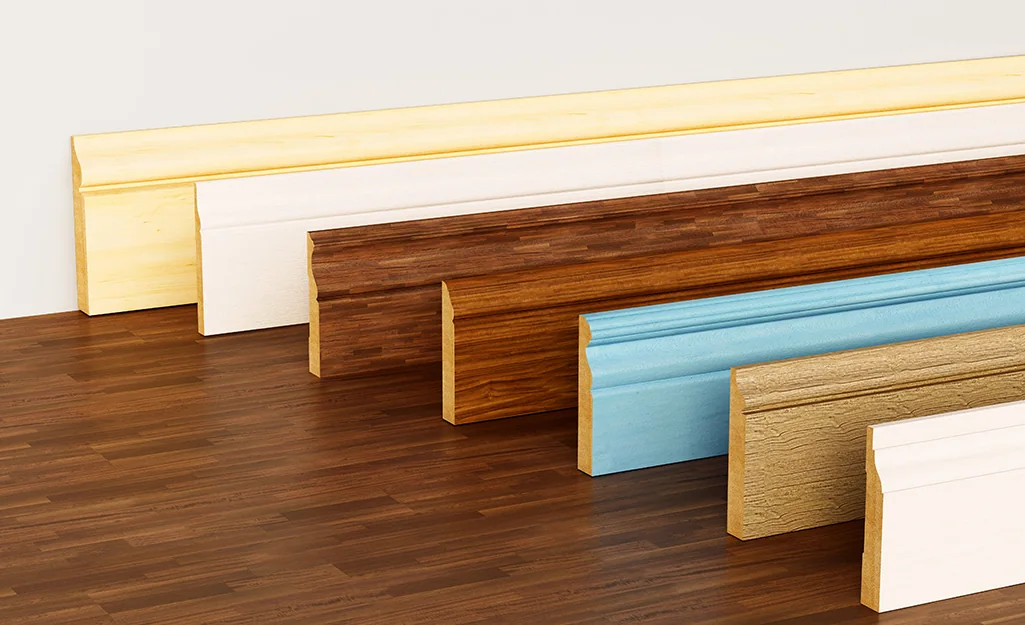
A wood baseboard is especially useful when the interior calls for visual warmth or traditional detailing. Common styles include a simple square-edge profile for restrained interiors, a rounded or bullnose top for a softer transition, and routed profiles such as ogee for more decorative rooms. Because wood can be painted or stained, the same basic profile can either blend into the wall or coordinate with flooring and other joinery.
The strength of a wood baseboard is not unlimited design freedom, but familiarity. Contractors know how to cut it, painters know how to finish it, and it works naturally with timber-based interior elements. Where the project language depends on grain, painted millwork, or classic molding details, wood often feels more appropriate than metal.
5. Aluminum Baseboard Styles for Modern Interiors
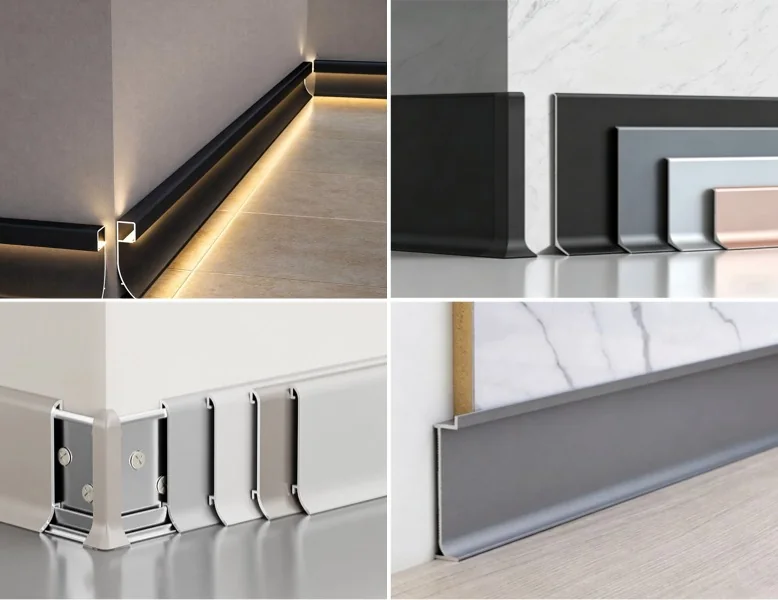
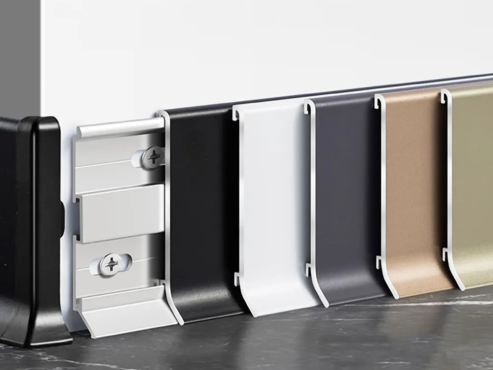
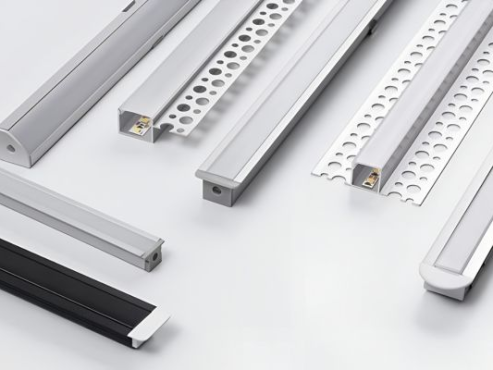
An aluminum baseboard is usually selected for cleaner geometry. Typical options include a flat surface-mounted profile, a recessed or flush profile that aligns closely with the wall finish, and shadow-gap designs that create a narrow visual separation between the wall and floor. Some aluminum profiles can also include concealed fixing channels or functional cavities depending on the project requirement.
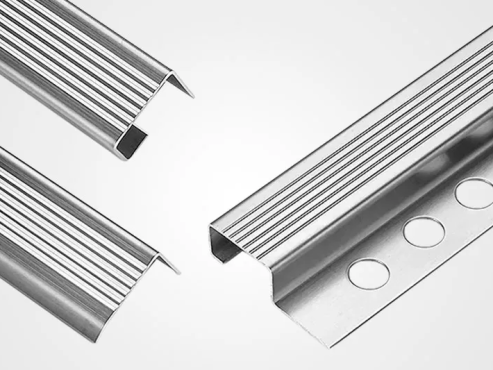
Extrusion makes it possible to hold the same profile shape over long production runs. This is useful when an aluminum baseboard must match door trims, tile trims, or other architectural profiles. Anodized silver, black, champagne, and powder-coated finishes are commonly specified, while custom colors can be produced when order quantities justify production.
6. Installation: Wood Is Familiar, Aluminum Is More Profile-Dependent
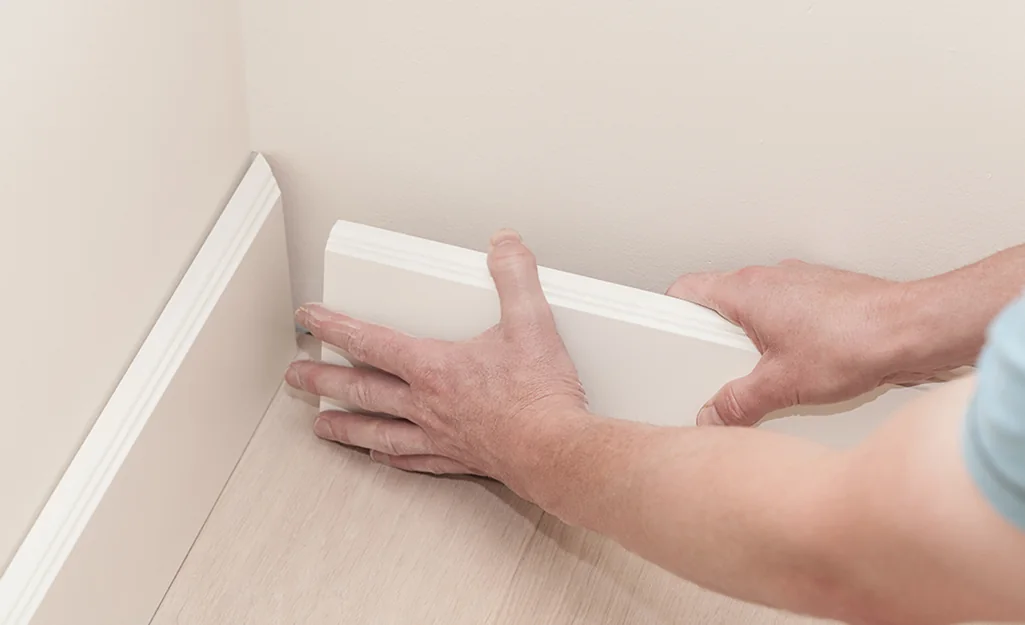
Installing a wood baseboard is straightforward for most finish carpenters. Boards are cut to length, corners are mitred or coped, and the material is usually fixed with nails, pins, adhesive, or a combination of methods. Small gaps can often be filled before painting.
This forgiving installation process is one of the practical advantages of a wood baseboard. Slight wall irregularities can sometimes be accommodated through scribing, caulking, or local adjustment.
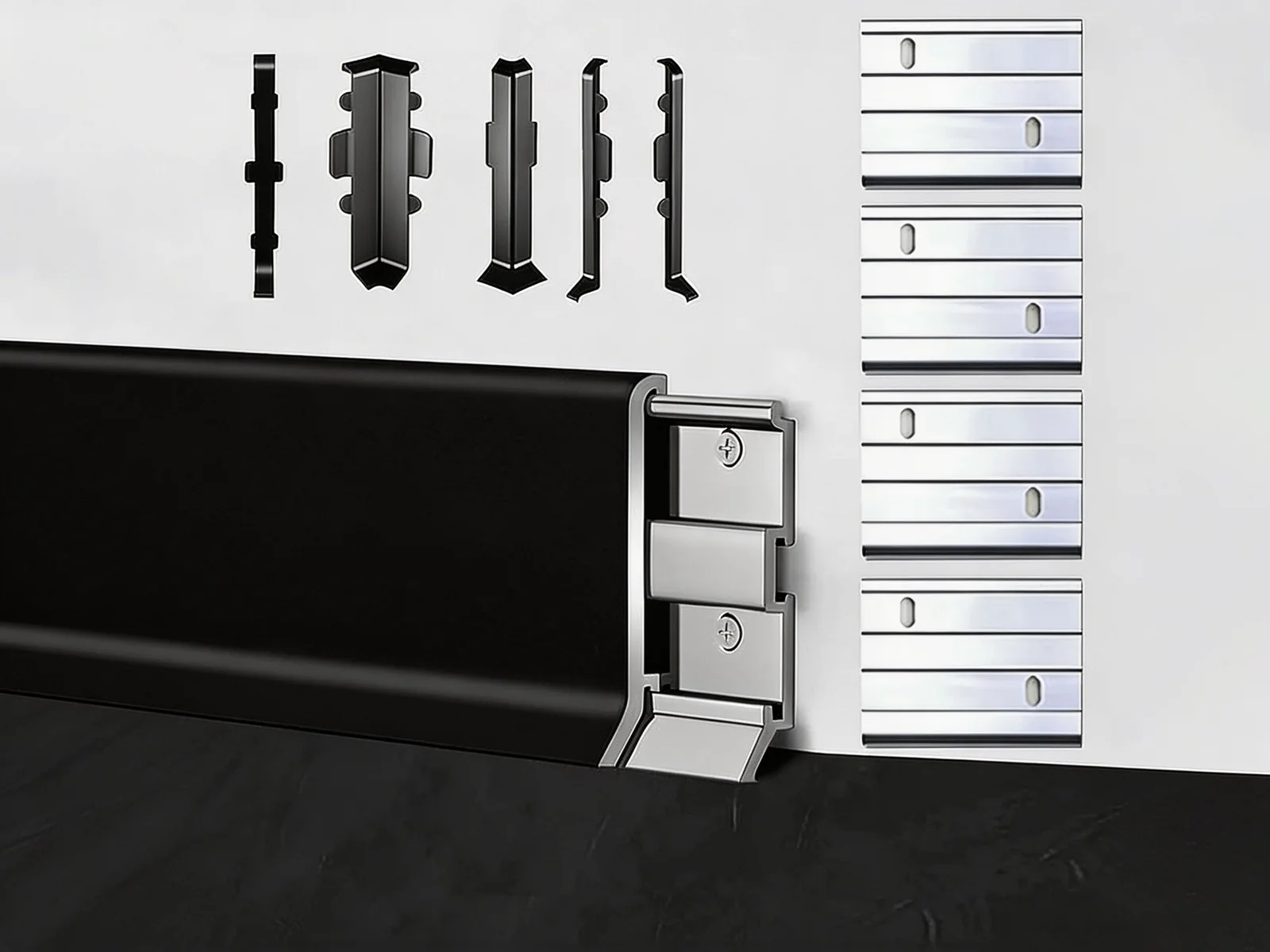
An aluminum baseboard requires more attention to profile geometry. Some designs are bonded directly to the wall. Others use screws, hidden clips, base tracks, or recessed installation channels. Cuts should be clean and burr-free because gaps are more visible on a precise metal finish.
We recommend confirming the installation method before placing a bulk order. The same aluminum baseboard appearance can be achieved with different fixing systems, and the best choice depends on whether the wall is drywall, masonry, tile, or another finished surface.
7. Corners, Joints, and Finish Consistency
Corners are often where the difference between the two materials becomes obvious.
With a wood baseboard, installers can make small adjustments on site. Mitred corners can be sanded, filled, and painted. This makes wood relatively forgiving when wall angles are not perfectly square.
An aluminum baseboard gives a sharper finished line, but it exposes inaccurate cutting more clearly. For this reason, projects often use matching inside corners, outside corners, end caps, or carefully mitred joints. When these details are planned in advance, the result is clean and repeatable.
For long corridors or multi-room projects, ask the supplier how lengths, corners, end pieces, and joint details are coordinated. A good profile is only one part of the complete skirting system.
8. Fire, Hygiene, and Project Requirements
Material selection can also be influenced by project-specific standards.
A wood baseboard is combustible, although its use may still be acceptable depending on the building type and local requirements. Coatings, substrates, and required fire classifications should be reviewed as part of the complete wall assembly rather than judging the baseboard alone.
Aluminum itself is non-combustible, which can make an aluminum baseboard easier to integrate into projects with stricter material requirements. However, adhesives, inserts, coatings, and backing components may have separate classifications. Buyers should request relevant documentation whenever compliance is part of the specification.
For hygiene-sensitive interiors, the smooth and non-absorbent surface of an aluminum baseboard can also be useful. Simple profiles with fewer grooves generally leave fewer places for dirt to collect.
9. Cost: Compare More Than the Purchase Price
A wood baseboard can be very economical or quite expensive. Price depends on wood species, grade, profile complexity, finishing, and whether the product is solid timber or an engineered wood-based option. Basic painted profiles are often cost-effective for standard interior work, while premium hardwood can cost considerably more.
An aluminum baseboard may have a higher initial price than a basic wood profile, especially when custom extrusion, anodizing, powder coating, or accessories are involved. The calculation changes when maintenance, replacement rate, installation consistency, and project lifespan are included.
For B2B purchasing, it is better to compare total installed cost rather than price per meter alone. A slightly more expensive profile can be the better commercial decision if it reduces repainting, replacement, or site correction later.
10. Customization and Bulk Supply Considerations
Customization of a wood baseboard is mainly based on profile machining, wood type, paint or stain, and dimensions. It works well when a project needs decorative millwork or close coordination with wooden doors and cabinetry.
Customization of an aluminum baseboard works differently. Manufacturers can adjust the extrusion profile, wall thickness, height, fixing channel, and visible face. Surface options such as anodizing, brushing, and powder coating can then be applied after extrusion.
As a manufacturer, we recommend separating “custom color” from “custom profile” during quotation. A new color on an existing aluminum baseboard is usually a simpler request. A completely new profile section may require tooling, sample approval, and a larger minimum order quantity.
For distributors and project buyers, consistency between production batches is also important. Confirm alloy, temper, finish standard, color tolerance, packaging method, and acceptable dimensional tolerance before mass production.
11. When Is a Wood Baseboard the Better Choice?
A wood baseboard makes sense when the design depends on natural material character or painted joinery. It is also practical when local installers are already familiar with carpentry methods and future repainting is not a major concern.
We would normally consider a wood baseboard first when:
- The interior uses traditional or decorative molding details.
- Matching timber flooring or joinery is important.
- On-site cutting and adjustment need to remain simple.
A wood baseboard is not automatically an inferior option. In the right environment, a well-made and properly finished profile can last for many years and remains one of the most flexible choices for interior styling.
12. When Is an Aluminum Baseboard the Better Choice?
An aluminum baseboard becomes more attractive when the project needs stable geometry, moisture resistance, and a low-maintenance finish. It is particularly effective in modern interiors where the baseboard is intended to look like a precise architectural line rather than decorative molding.
We usually recommend an aluminum baseboard when:
- The wall base is exposed to frequent cleaning or occasional moisture.
- The project needs flush, recessed, or shadow-gap detailing.
- Large quantities must maintain a consistent profile and finish.
It is also a practical option when the design already uses aluminum trims elsewhere. Matching surface treatments across several profile types can create a more controlled finish throughout the project.
13. What Should You Check Before Ordering?
Before confirming either material, review the actual site conditions rather than relying only on drawings.
For a wood baseboard, confirm the timber or substrate type, moisture condition, finish system, profile dimensions, and installation method. If the product will be painted on site, check whether it arrives primed and whether cut ends need sealing.
For an aluminum baseboard, confirm the alloy, profile thickness, surface treatment, fixing system, accessories, and length tolerance. For custom sections, request a technical drawing before tooling and approve a physical sample before bulk production when possible.
At Chenhao Aluminum Business, aluminum baseboard profiles can be supplied as standard or custom extrusions with OEM support. For bulk orders, the more useful discussion is usually not “What is your cheapest skirting?” but “What wall condition, finish, profile height, and installation method does this project require?” That information makes it much easier to select the correct product and avoid changes later.
Conclusion: Wood Baseboard or Aluminum Baseboard?
There is no single material that is best for every interior.
A wood baseboard remains a practical choice for warm, traditional, or joinery-led designs. It is familiar to install, easy to paint or stain, and adaptable on site. Its main limitations are moisture sensitivity, dimensional movement, and the possibility of more maintenance over time.
An aluminum baseboard is better suited to projects that prioritize clean lines, moisture resistance, stable dimensions, and long-term finish consistency. It also offers more flexibility for recessed profiles, shadow gaps, and custom extrusion details.
When comparing wood baseboard and aluminum baseboard, consider the complete service environment rather than appearance alone. Traffic, humidity, cleaning methods, wall construction, installation skill, and expected maintenance all influence the final decision.
For projects that require custom aluminum profiles, OEM production, bulk supply, or coordinated surface finishes, Chenhao Aluminum Business can manufacture aluminum baseboard solutions to project drawings and specifications, with factory-direct supply and global shipping.