Stair edges take more stress than most people realize. Every step concentrates foot traffic near the front edge of the tread. Over time, this area can become worn, chipped, slippery, or difficult to see. In commercial buildings and public spaces, these problems can affect both safety and long-term maintenance.
Metal stair nosing is designed to protect this critical edge while creating a more stable and visible walking surface. It can be used on tile, concrete, wood, vinyl, carpet, and other stair finishes, depending on the profile and installation method.
This guide explains why metal stair nosing is widely used, how it improves stair safety and durability, and what to check before specifying a profile.
What Is Metal Stair Nosing?
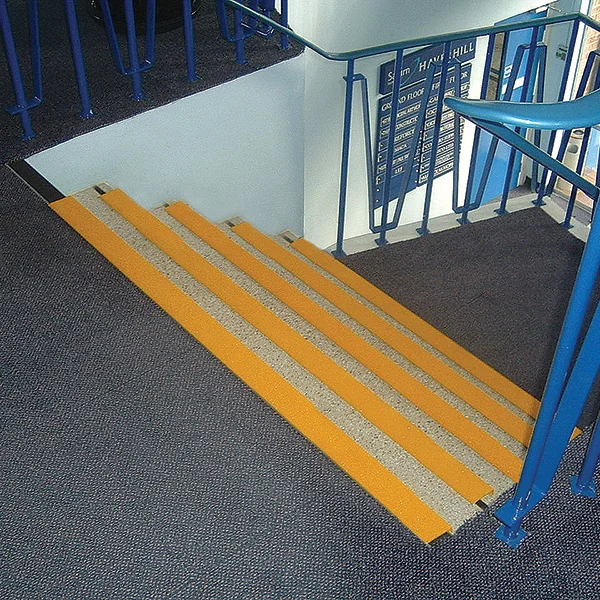
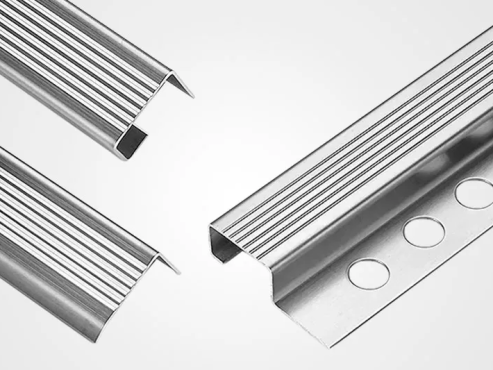
Metal stair nosing is a protective profile installed along the front edge of a stair tread. The profile covers or reinforces the exposed corner where the horizontal tread meets the vertical riser.
Depending on the design, it may be installed during tile or floor installation, or fitted later over an existing stair edge. Common materials include aluminum, stainless steel, and brass.
In other words, metal stair nosing is not only a decorative trim. It is a functional finishing component that helps control wear at one of the most vulnerable areas of a staircase.
Why Metal Stair Nosing Improves Stair Safety
Safety is usually the first reason to specify stair nosing. A stair edge can become risky when the surface is smooth, damaged, poorly visible, or uneven.
Metal stair nosing can help address these issues in several ways.
1. It Creates a More Defined Step Edge
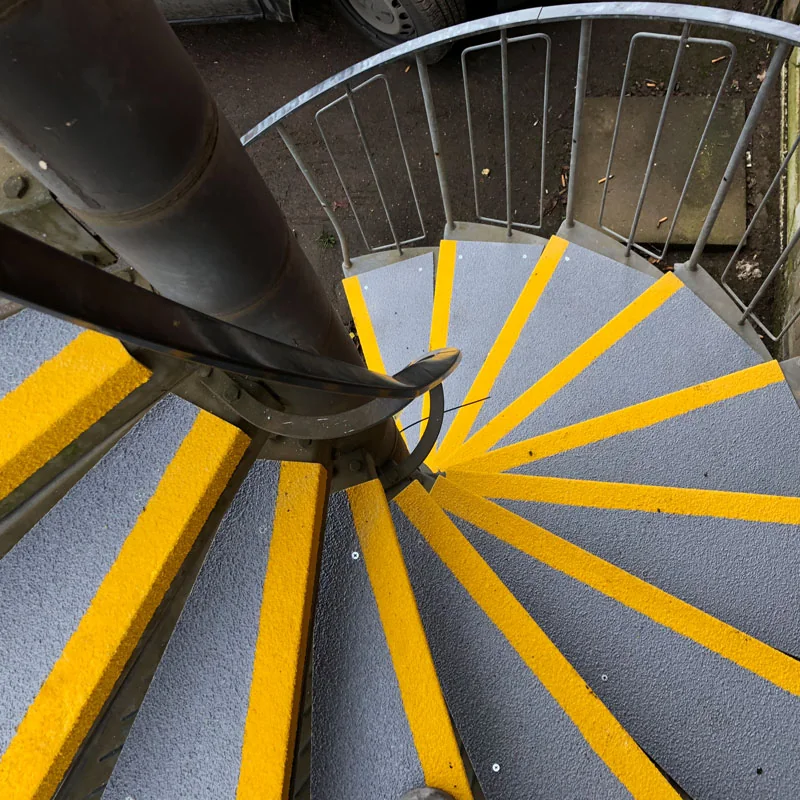
A clearly defined stair edge makes it easier for users to judge where one tread ends and the next begins.
This is especially important in areas with changing light conditions, dark floor finishes, long stair runs, or heavy pedestrian traffic. A contrasting metal finish or colored anti-slip insert can make the edge easier to identify.
For many projects, we recommend evaluating contrast together with the surrounding flooring rather than choosing a finish only for appearance.
2. It Can Improve Slip Resistance
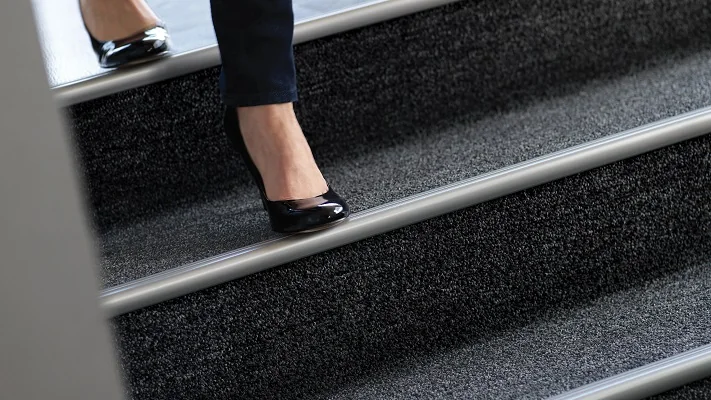
A plain stair edge can become slippery when dust, water, or wear reduces surface grip. Many metal nosing profiles are designed with grooves, ribs, abrasive strips, rubber inserts, or other slip-resistant features.
The correct surface depends on the environment. An interior office stair may need a different solution from an entrance stair exposed to rain.
Manufacturer’s Tip: For wet or high-traffic areas, do not evaluate the metal base alone. Check the complete walking surface, including the anti-slip insert or textured section.
3. It Helps Keep the Edge Stable
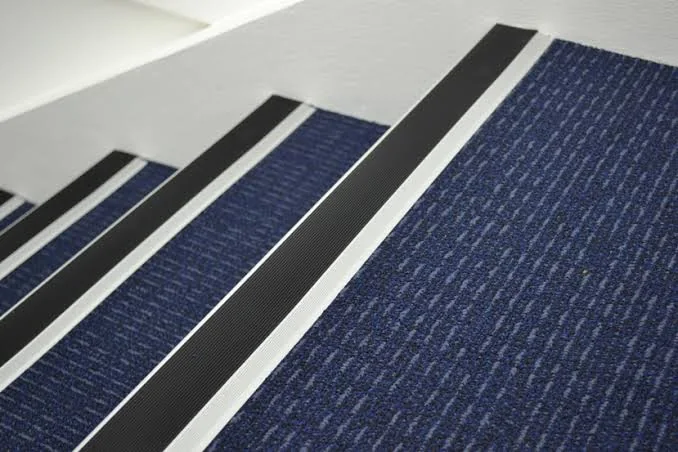
Broken tile corners, loose floor coverings, and damaged tread edges can create uneven surfaces. Metal stair nosing helps shield the edge from direct impact and can keep the finished corner more consistent over time.
The profile must still be installed correctly. Loose screws, insufficient adhesive, poor substrate preparation, or incorrect sizing can reduce the safety benefit.
Why Metal Stair Nosing Is a Durable Choice
Stair edges receive repeated contact from shoes, cleaning equipment, carts, luggage, and other loads. This makes durability an important specification point.
One reason metal profiles are commonly selected is that they can provide strong edge protection without requiring a bulky component.
Resistance to Daily Impact
Tile and other hard flooring materials can perform well on flat surfaces but are more vulnerable at exposed edges. A metal profile creates a protective barrier around the stair corner and helps reduce direct impact on the finished material.
This is particularly useful in schools, offices, retail stores, hotels, apartment buildings, transportation facilities, and other frequently used spaces.
Long Service Life
When the material and finish are suitable for the environment, a metal nosing profile can remain in service for many years with relatively simple maintenance.
For this reason, it is better to compare metal stair nosing profiles by application requirements rather than by unit price alone.
Aluminum, Stainless Steel, or Brass: Which Metal Is Better?
There is no single best material for every staircase. Each metal has different advantages.
Aluminum Metal Stair Nosing
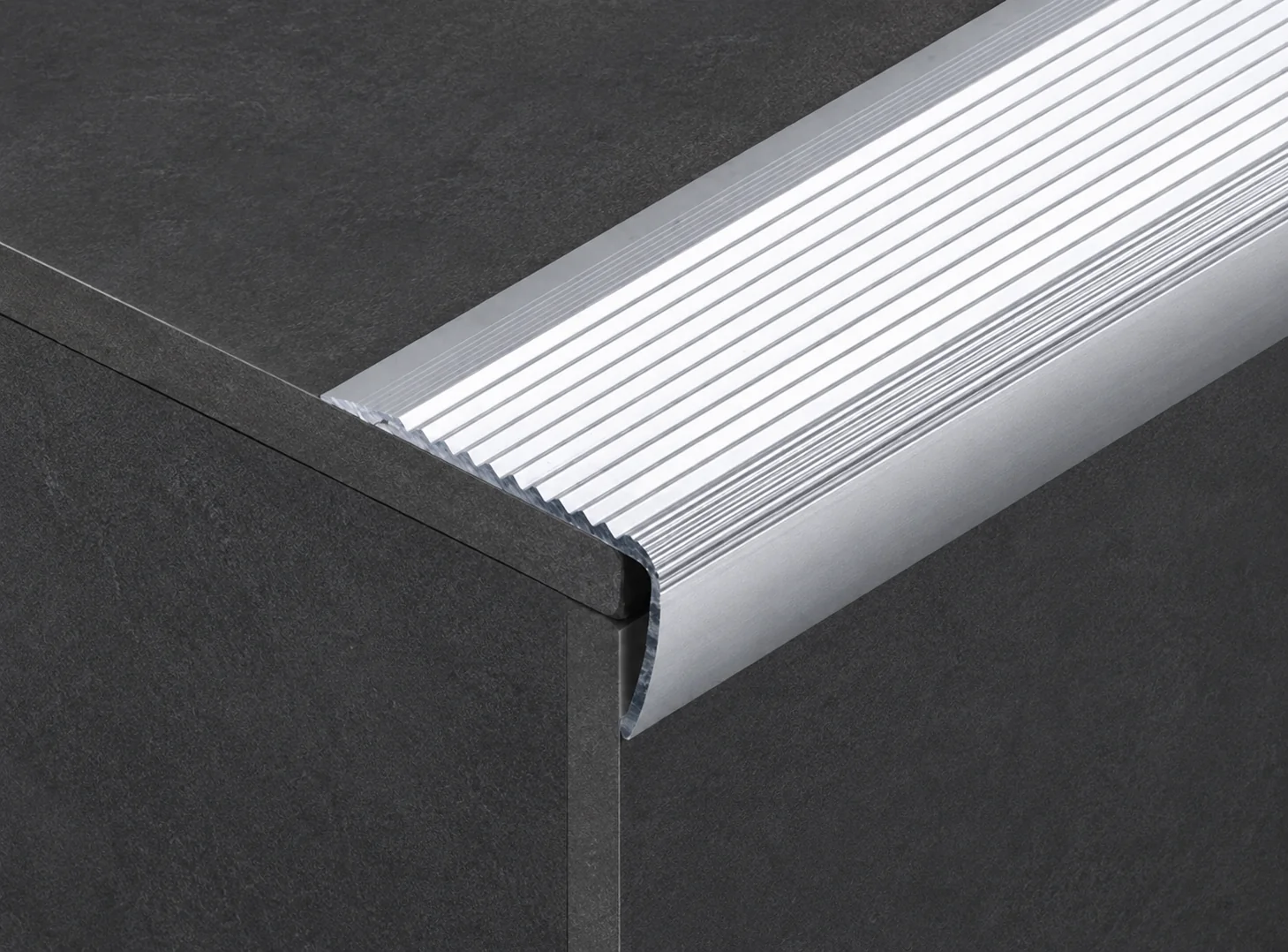
Aluminum is one of the most practical choices for general commercial and residential projects. It is lightweight, easy to cut, and suitable for producing a wide range of extruded shapes.
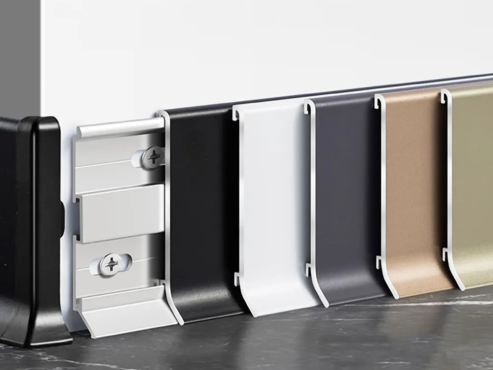
Anodized or powder-coated finishes can provide different colors and surface appearances. This allows aluminum metal stair nosing to coordinate with tile trims, skirting profiles, floor transitions, and other architectural details.
Aluminum is often a good option when the project needs:
- Good durability
- Moderate weight
- Efficient installation
- Custom profile options
- Multiple finish choices
- Competitive project cost
As a manufacturer, we usually recommend confirming the alloy, profile thickness, finish, and installation environment together. These details are more important than simply asking for “aluminum stair nosing.”
Stainless Steel Metal Stair Nosing
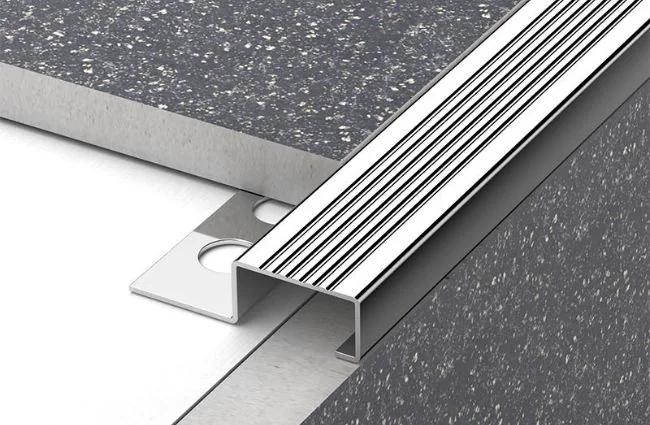
Stainless steel is suitable where higher strength, a premium metal appearance, or stronger corrosion resistance is required.
It is commonly considered for busy commercial areas, food-related spaces, transport facilities, and projects that require frequent cleaning.
However, stainless steel is heavier and harder to cut than aluminum. Installation tools and labor requirements should therefore be considered during specification.
Brass Metal Stair Nosing
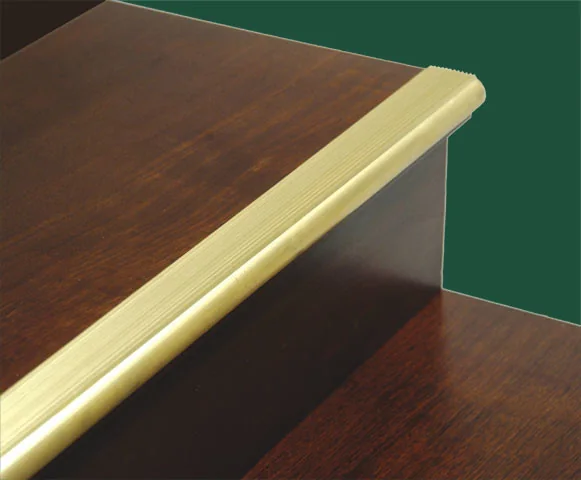
Brass is mainly selected for its distinctive architectural appearance. It works well with natural stone, wood, dark flooring, and luxury interior finishes.
It can provide good durability, but material cost is usually higher. For this reason, brass stair nosing is more often used where the visual design justifies the additional cost.
How Metal Stair Nosing Protects Different Stair Finishes
The performance of the nosing also depends on what material is used on the stair tread.
Tile Stairs
Tile edges can chip if left exposed, especially at the front of the stair. A tile-in metal stair nosing profile can be embedded during tile installation so the tile edge is protected by the metal.
The result is a cleaner transition and reduced direct impact on the tile corner.
Concrete Stairs
Concrete stairs are strong, but the front edges can become worn or damaged in high-use areas. Surface-mounted profiles are often used for retrofit work because they can cover an existing edge without rebuilding the entire tread.
Wood and Laminate Stairs
Wood and laminate can wear at the front edge due to repeated foot traffic. The correct stair nosing profile can protect the corner while creating a controlled transition between the tread surface and riser.
The profile dimensions must be selected carefully so that it does not create an unnecessary raised lip.
Vinyl, LVT, and Carpeted Stairs
Flexible floor coverings need good edge retention. Some nosing designs include a channel, overlap, or insert that helps secure the flooring near the step edge.
For these applications, it is important to confirm the flooring thickness before ordering the metal stair nosing profile.
Tile-In vs. Retrofit Metal Stair Nosing
Installation method is one of the most important decisions.
Tile-In Profiles for New Construction
Tile-in profiles are installed together with the tile or flooring system. They often include an anchoring flange that is embedded into adhesive or mortar.
This type of metal stair nosing can create a clean and integrated finish because the profile becomes part of the floor build-up.
It is generally suitable for:
- New buildings
- Major renovations
- New tile installations
- Projects requiring a flush architectural detail
The key is to select the profile before the finished flooring is installed.
Retrofit Profiles for Existing Stairs
Retrofit or surface-mounted profiles are fixed over an existing stair edge. They are commonly used when stairs are already finished but need additional edge protection, improved grip, or repair.
Depending on the design, the profile may be installed with mechanical fasteners, adhesive, or both.
Retrofit stair nosing can reduce demolition work, but the existing substrate must be stable, clean, and suitable for fixing.
What Metal Stair Nosing Profile Shape Should You Choose?
The shape affects appearance, edge coverage, installation, and user comfort.
Common options include:
L-Shaped Profiles
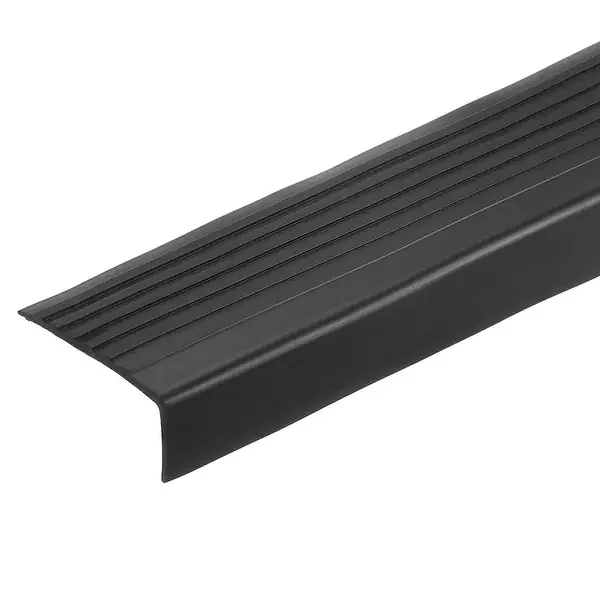
L-shaped nosing is simple and practical. It covers the front edge and part of the tread or riser, depending on the design. It is frequently used for retrofit applications.
Square-Edge Profiles
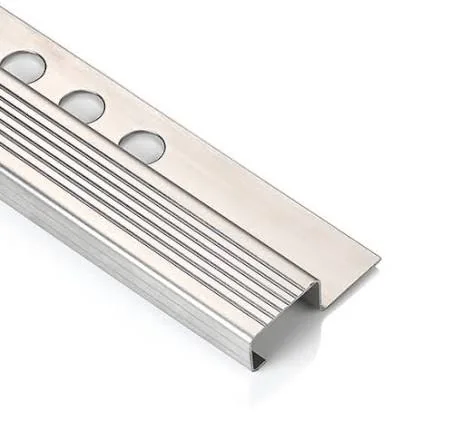
Square profiles provide a clean architectural line. They are often selected for modern interiors where straight geometry is important.
Rounded or Bullnose Profiles
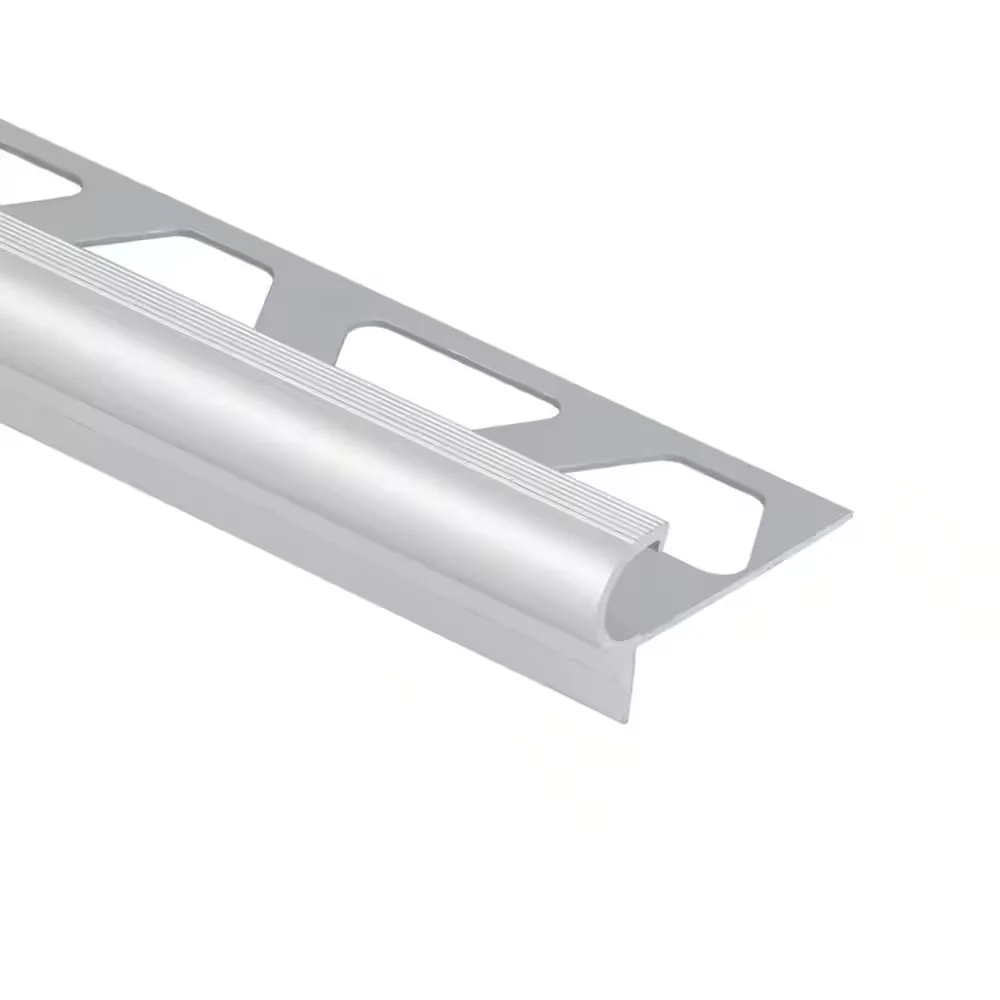
Rounded profiles create a softer front edge. They may be appropriate where a less sharp edge is preferred or where the stair design already has a curved shape.
Profiles with Replaceable Inserts
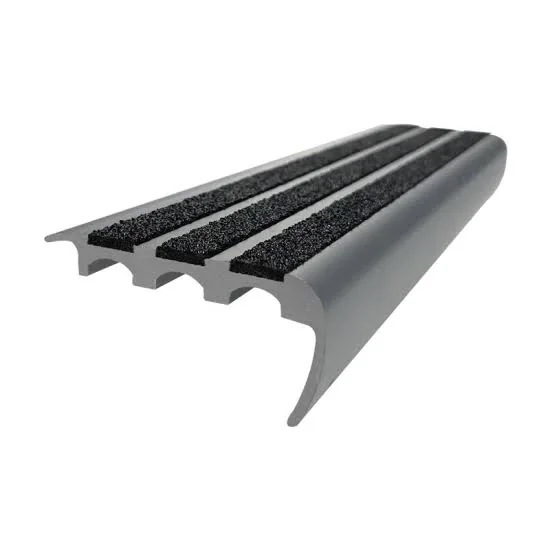
Some metal stair nosing systems use a metal base with a separate anti-slip insert. This can be useful in high-traffic environments because the worn insert may be replaced without removing the entire metal profile.
For long-term projects, this maintenance feature can be more valuable than a small difference in initial purchase price.
Common Mistakes When Selecting Metal Stair Nosing
Even a strong profile can perform poorly if it is selected or installed incorrectly.
Choosing by Price Only
A lighter or thinner profile may reduce initial cost, but it may not suit a high-traffic stair. Compare the complete specification instead of only the price per piece.
Ignoring Flooring Thickness
If the profile does not match the finished floor build-up, it can sit too high or too low. This affects both appearance and walking comfort.
Using the Wrong Finish Outdoors
Outdoor stairs are exposed to moisture, sunlight, temperature changes, and contamination. The base material and surface finish should be selected for those conditions.
Forgetting the Anti-Slip Surface
Metal itself does not automatically mean slip-resistant. The profile geometry and walking surface matter. Grooves, inserts, and abrasive treatments should be evaluated according to the project.
Poor Fixing
Metal stair nosing must be firmly secured. A loose profile can become a hazard rather than a safety improvement. Substrate preparation and correct fasteners are essential.
Metal Stair Nosing Maintenance and Replacement Considerations
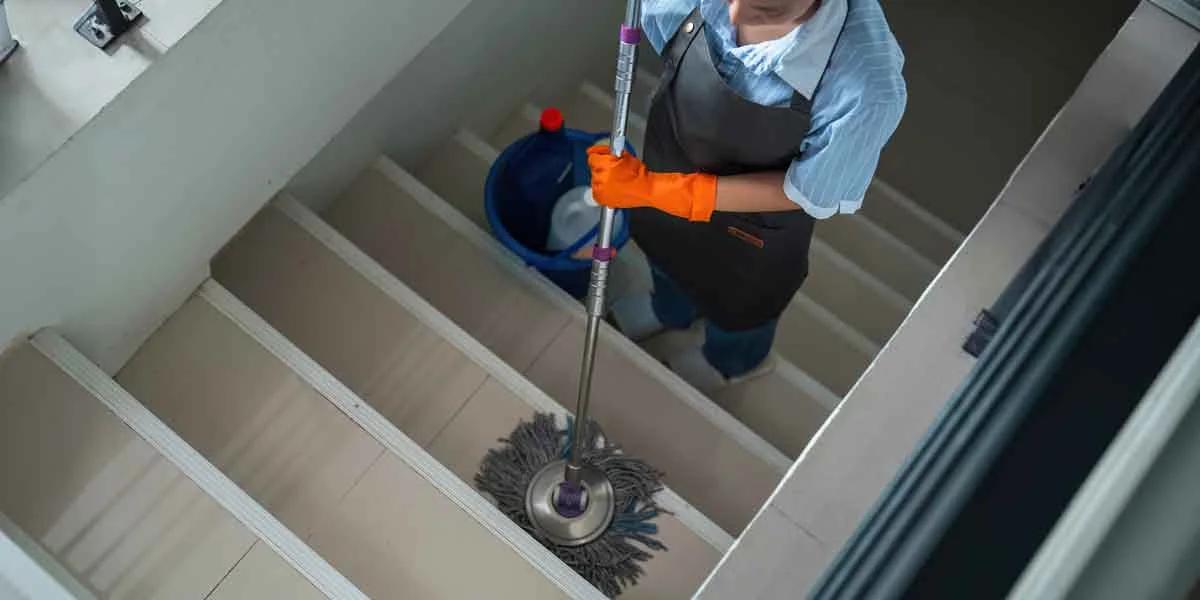
One advantage of metal profiles is relatively straightforward maintenance.
For normal use, routine cleaning is usually enough. Dirt should not be allowed to accumulate in grooves or around inserts. Cleaning products should be compatible with both the metal finish and surrounding flooring.
Fasteners should also be checked periodically in high-traffic areas. If the system uses a replaceable insert, inspect the insert for wear and replace it before grip is significantly reduced.
From a lifecycle perspective, metal stair nosing with replaceable wear components can be a practical option for buildings where stairways are used continuously.
Why Custom Metal Stair Nosing Can Be Useful for Projects
Standard profiles cover many applications, but some projects need non-standard dimensions or finishes.
Chenhao Aluminum is a direct manufacturer of aluminum architectural profiles. We can support standard and custom stair nosing profiles, OEM requirements, bulk production, and global shipment.
For project sourcing, the main advantage of working directly with a factory is not only pricing. It is also easier to confirm extrusion details, tolerances, surface treatment, packaging, and repeat-order consistency before mass production.
Manufacturer’s Recommendation for Better Results
When evaluating metal stair nosing, start from the actual stair construction.
First confirm the tread material and finished thickness. Then determine whether the nosing will be installed during flooring work or added later. After that, choose the material, profile shape, anti-slip surface, and finish.
For new tile projects, an integrated tile-in profile often gives the cleanest result. For renovation work, a correctly sized retrofit profile may reduce labor and avoid unnecessary demolition.
For high-traffic projects, we recommend paying additional attention to profile thickness, fixing strength, slip-resistant surfaces, and replaceable inserts.
A sample is also useful before bulk ordering. It allows the project team to check the fit, finish, color, and installation method on the actual stair.
Frequently Asked Questions About Metal Stair Nosing
Is Metal Stair Nosing Suitable for Outdoor Stairs?
Yes, provided the material, finish, anti-slip surface, and fixing method are suitable for outdoor exposure. Anodized aluminum and suitable stainless steel grades are common options. Project conditions should always be reviewed before selection.
Can Metal Stair Nosing Be Installed on Existing Stairs?
Yes. Retrofit profiles are designed to cover existing stair edges and can often be installed with screws, adhesive, or a combination of both.
Does Metal Stair Nosing Work with Tile?
Yes. Tile-in profiles are commonly used to protect tile edges during installation, while surface-mounted profiles can also be used for some renovation conditions.
Is Aluminum Strong Enough for Commercial Stairs?
In many commercial applications, a properly designed aluminum profile provides a good balance of strength, weight, corrosion resistance, and cost. Very heavy-duty environments may require a thicker aluminum design or another metal, depending on the project.
Can the Color and Size Be Customized?
Yes. Aluminum extrusion allows a wide range of profile shapes, dimensions, and surface finishes. Customization normally depends on quantity, tooling requirements, and production specifications.
Conclusion
Metal stair nosing is a reliable way to protect stair edges, improve step definition, support slip resistance, and create a more durable finished staircase.
The best result comes from matching the profile to the actual project. Material, flooring thickness, traffic level, installation method, edge shape, surface finish, and anti-slip requirements should all be considered together.
For general projects, aluminum offers a strong balance of performance, design flexibility, and cost. Stainless steel may be more suitable for demanding environments, while brass is often chosen for premium architectural finishes.
If you are sourcing metal stair nosing for a new project, renovation, distribution program, or OEM order, Chenhao Aluminum can provide standard profiles, custom extrusion options, stable bulk production, factory pricing, and international shipping.
A well-selected stair nosing is a small component, but it can make a meaningful difference to the safety, durability, and final quality of the entire staircase.